
Harnessing Hyssopus officinalis stems to counteract gastric mucosal injuries: A novel phytotherapeutic avenue
Nour-El-Houda Hamoud1,2, Zineb Maammeri2✉
- 1 Department of Animal Biology, Faculty of Nature and Life Sciences, Mentouri Brothers University Constantine 1, Algeria
- 2 Laboratory of Pharmacology and Toxicology, Institute of Veterinary Sciences, Mentouri Brothers University Constantine 1, Algeria
Received 7 October 2026 · Accepted 7 October 2026 · Published 7 October 2026
DOI: https://doi.org/10.5281/zenodo.23219611
Article PDF · Original poster (PDF)
- views
- 30
- downloads
- 15
- countries
- 10
Since publication · journal site and Zenodo archive · robots excluded
Abstract
Introduction
Gastric mucosal injury caused by ethanol is a key factor in ulcer development and remains a clinical challenge. Hyssopus officinalis L. stems, rich in antioxidant polyphenols, represent a promising but underused natural strategy for limiting such damage due to their antioxidant and gastroprotective properties.
Materials and methods
Gastric lesions were induced in rats by administering absolute ethanol. The protective effect of the ethyl acetate fraction of Hyssopus officinalis stems was tested at doses of 250 mg/kg and 500 mg/kg. Acute toxicity was assessed in mice following OECD guidelines. Mucosal damage was evaluated macroscopically and histologically, and phenolic/flavonoid compounds were identified by HPLC-ESI-MS/MS.
Results
Acute toxicity tests in mice showed no toxicity or mortality at tested doses. The ethyl acetate fraction of Hyssopus officinalis stems demonstrated significant gastroprotective effects against ethanol-induced gastric lesions, with protection rates of 76% at 250 mg/kg, 78% at 500 mg/kg, comparable to 86% protection by omeprazole (80 mg/kg).
Conclusion
The ethyl acetate extract of Hyssopus officinalis stems exhibits potent gastroprotective effects likely due to its high content of hydroxycoumarin and hesperetin. Its comparable efficacy to omeprazole and safety profile suggest it is a promising natural therapeutic candidate for gastric mucosal protection.
Original poster
Related posters
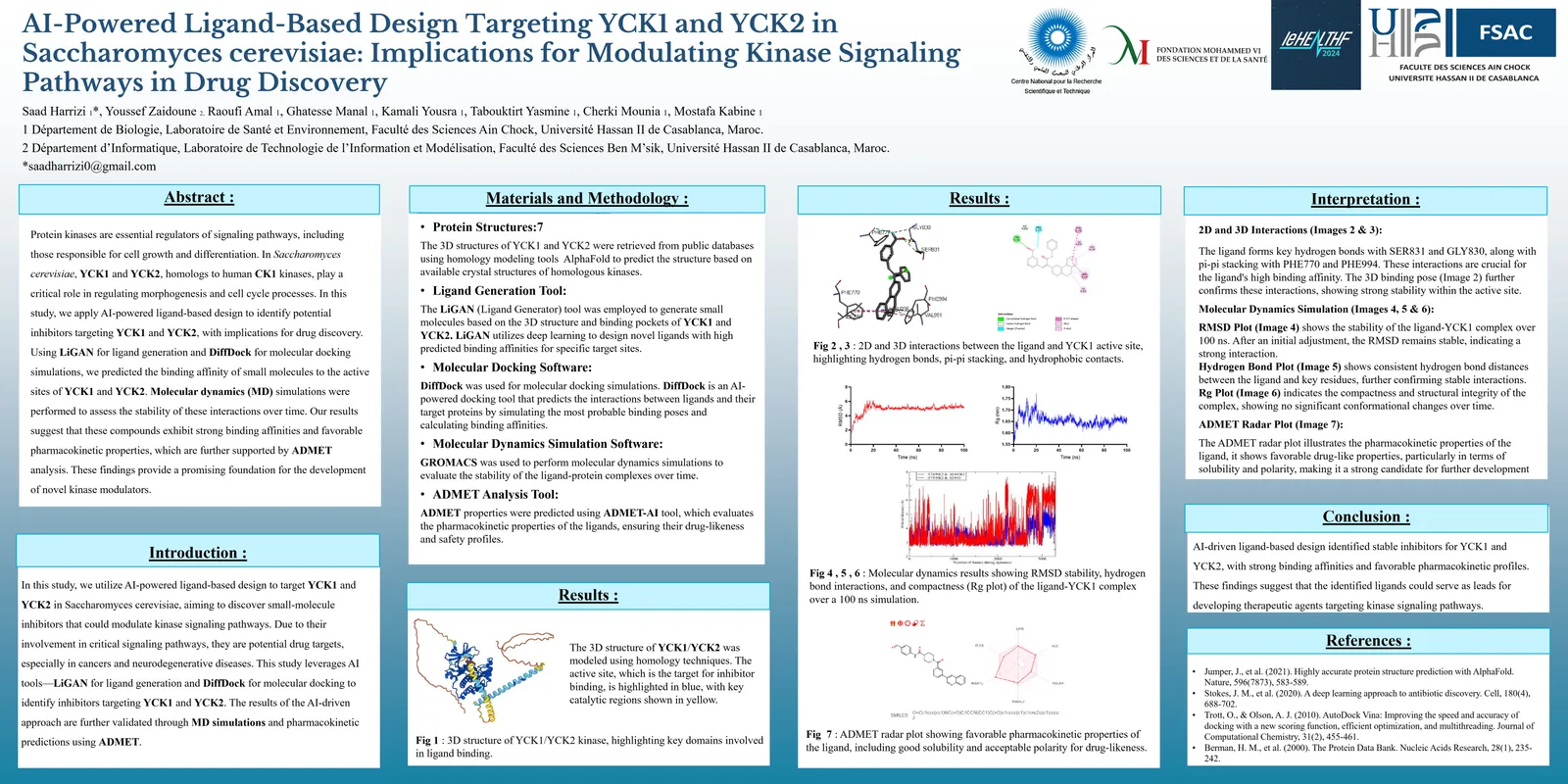 Pharmacology & TherapeuticsAI-Powered Ligand-Based Design Targeting YCK1 and YCK2 in Saccharomyces cerevisiae: Implications for Modulating Kinase Signaling Pathways in Drug DiscoveryS. Harrizi, Y. Zaidoune, R. Amal and 5 others
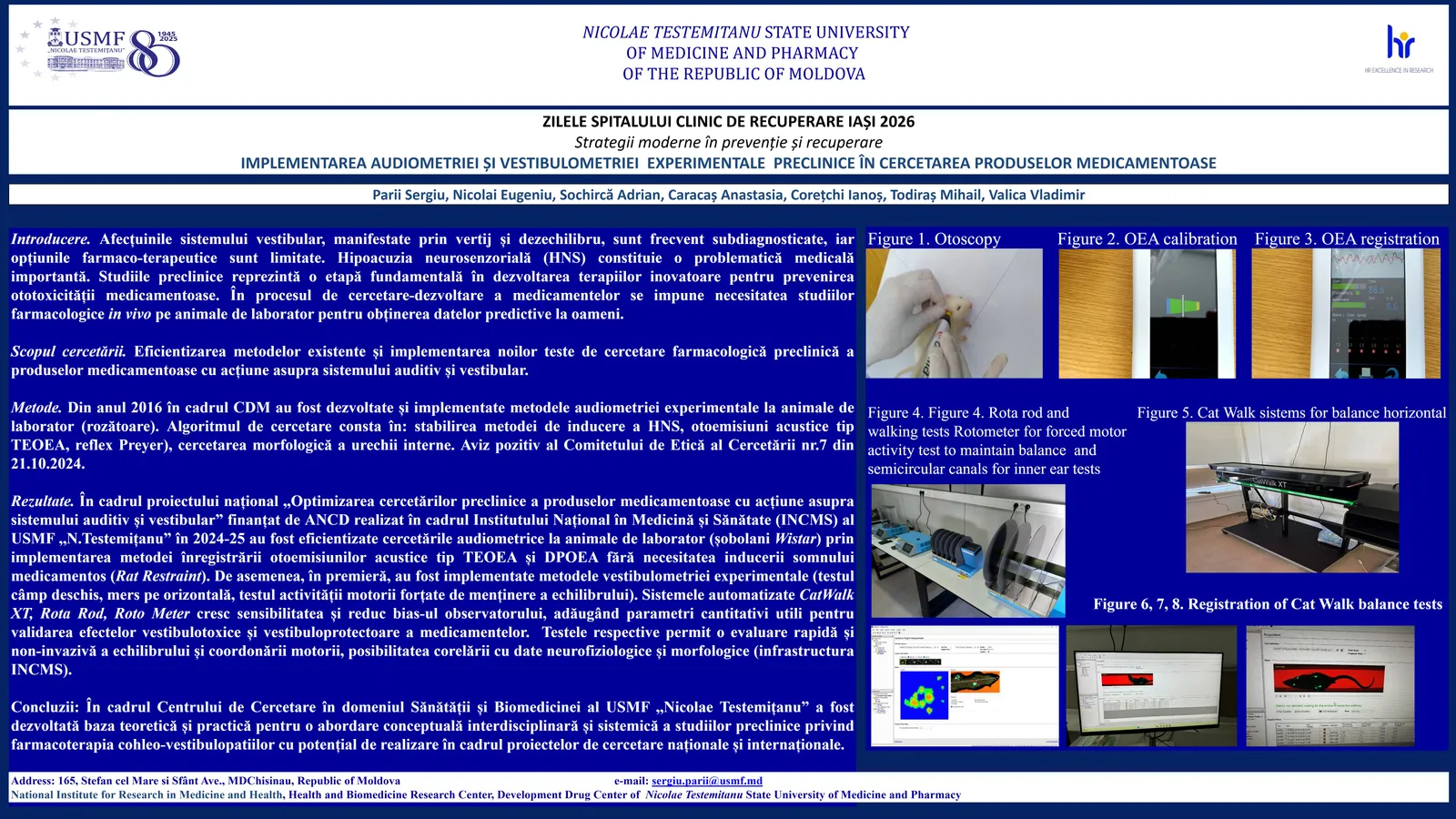 Pharmacology & TherapeuticsImplementation of experimental audiometry and vestibulometry in the preclinical research of medicinal productsS. Parii, E. Nicolai, A. Sochirca and 4 others
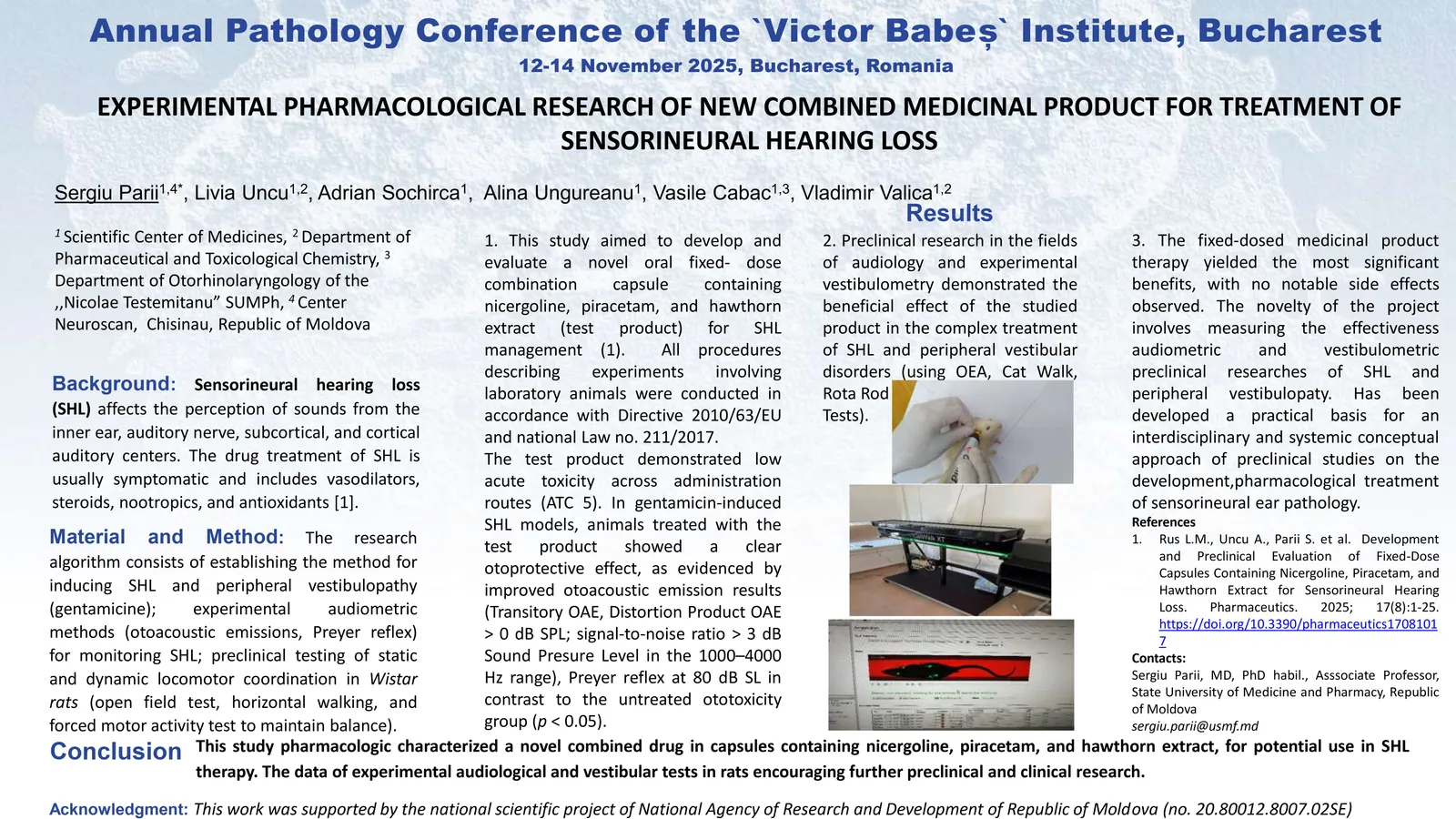 Pharmacology & TherapeuticsExperimental Pharmacological Research of New Combined Medicinal Product for Treatment of Sensorineural Hearing LossS. Parii, L. Uncu, A. Sochirca and 3 others
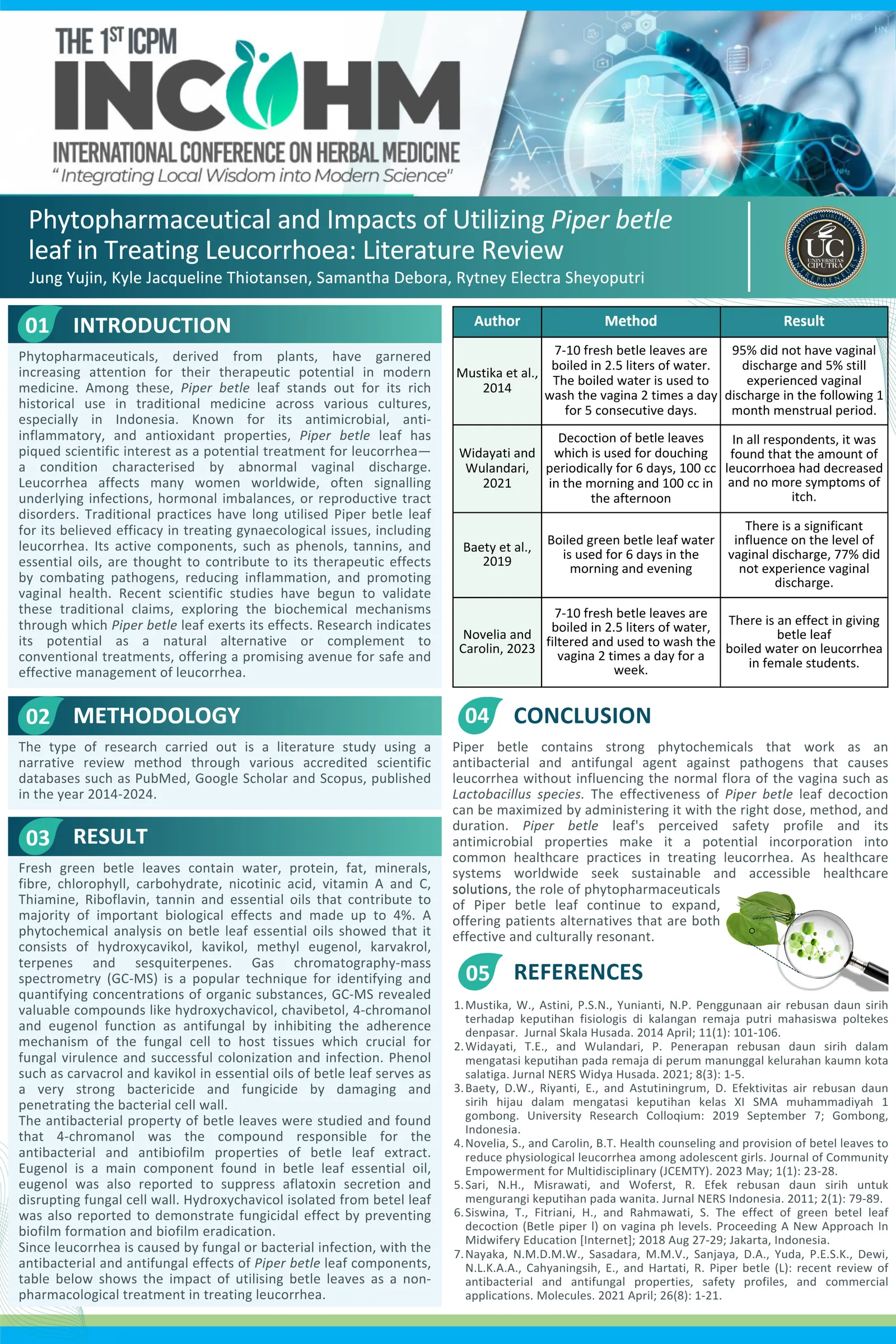 Pharmacology & TherapeuticsPhytopharmaceutical and Impacts of Utilizing Piper betle leaf in Treating Leucorrhoea: Literature ReviewY. Jung, K. Thiotansen, S. Debora and 1 other