
Detection of Diverse Microplastic Polymers in Human Breast Milk
Norafiza Zainuddin1✉, Nur Rasyiqah Shamsul1, Dhea Maisarah Ahmad Nasri2, Hamizah Ismail3, Fikriah Faudzi4, Sabiqah Tuan Anuar4
- 1 Department of Biomedical Sciences, Kulliyyah of Allied Health Sciences, International Islamic University Malaysia (IIUM), 25200 Kuantan, Pahang, Malaysia.
- 2 Halimatussaadia Mother's Milk Centre (HMMC), Sultan Ahmad Shah Medical Centre @IIUM (SASMEC), Jalan Sultan Ahmad Shah, 25200 Kuantan, Pahang, Malaysia.
- 3 Institute of Oceanography and Maritime Studies (INOCEM), Kulliyyah of Science, International Islamic University Malaysia (IIUM), 25200, Kuantan, Pahang, Malaysia.
- 4 Microplastic Research Interest Group (MRIG), Faculty of Science and Marine Environment, Universiti Malaysia Terengganu, 21030 Kuala Nerus, Terengganu, Malaysia.
Received 14 October 2026 · Accepted 14 October 2026 · Published 14 October 2026
DOI: https://doi.org/10.5281/zenodo.23356917
Article PDF · Original poster (PDF)
- views
- 35
- downloads
- 20
- countries
- 9
Since publication · journal site and Zenodo archive · robots excluded
Abstract
Introduction
The detection of microplastics (MPs) in human breast milk (HBM) has raised urgent concerns about infant exposure to environmental contaminants during a critical developmental stage. Breastfeeding, considered the gold standard for infant nutrition, may inadvertently serve as a pathway for MPs to reach newborns.
Materials and methods
Breast milk samples collected from the Halimatussaadia Mother's Milk Centre (HMMC) were processed through sequential steps to isolate MPs. These were characterized using Attenuated Total Reflectance Fourier Transform Infrared (ATR-FTIR) spectroscopy. Negative control was ultra-pure water, and positive control was milk spiked with MPs (PET, PP, Nylon 66).
Results
A range of polymer types was identified in HBM. The most frequently detected MPs included polyethylene (PE), polypropylene (PP), and polyethylene terephthalate (PET), widely used in packaging, food containers, and textiles. Polyvinylidene fluoride (PVDF), associated with industrial and household applications, was also present. The diversity of polymers suggests multiple contamination pathways including consumer products, packaging, and broader environmental exposure.
Conclusion
This study highlights the presence of multiple microplastic polymers in human breast milk, indicating potential early-life exposure in infants. The detection of common plastics such as PE, PP, PET, and PVDF underscores the pervasive nature of microplastic pollution. These findings emphasize the urgent need for standardized detection methods and further studies to assess exposure sources and potential health risks to breastfeeding infants.
Original poster
References
- Enyoh CE, Ovuoraye PE, Qingyue W, et al (2023) Examining the impact of nanoplastics and PFAS exposure on immune functions through inhibition of secretory immunoglobin A in human breast milk. J Hazard Mater 459, 132103
- Martini, S., Mardwita, M., Afroze, S., Yusmartini, E. S., & Kharismadewi, D. (2024). The Use Of PVDF-Based Membrane for Treating Industrial Wastewater in the Perspective of Fabrication Technique and Fouling Mitigation via Additive Blending and Surface Coating. Jurnal Teknologi, 86(2), 217–234. https://doi.org/10.11113/jurnalteknologi.v86.19389
- Roslan, N. S., Lee, Y. Y., Ibrahim, Y. S., Tuan Anuar, S., Yusof, K. M. K. K., Lai, L. A., & Brentnall, T. (2024). Detection of microplastics in human tissues and organs: A scoping review. Journal of global health, 14, 04179. https://doi.org/10.7189/jogh.14.04179
Related posters
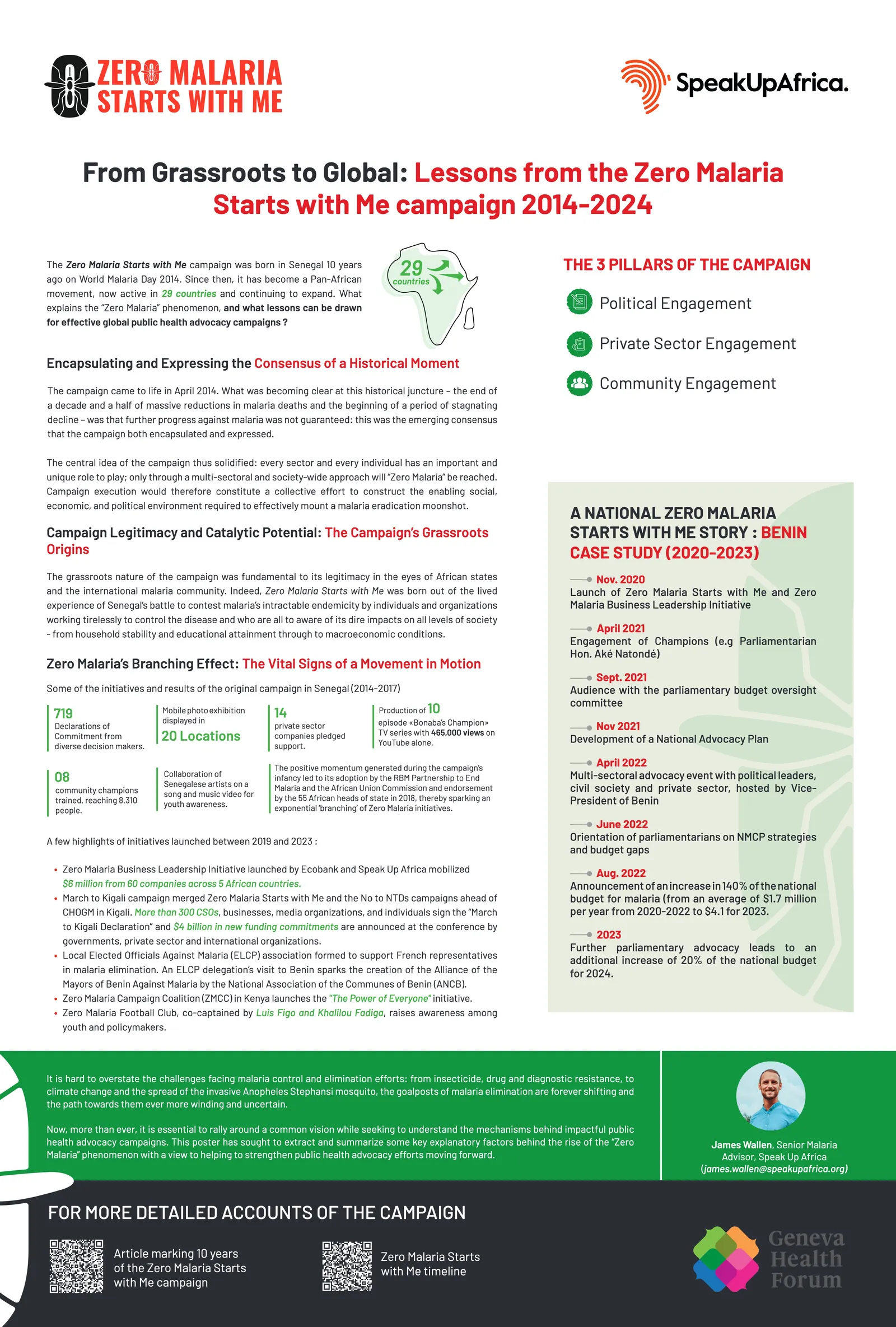 Infectious DiseasesFrom Grassroots to Global: Lessons from the Zero Malaria Starts with Me campaign 2014-2024J. Wallen
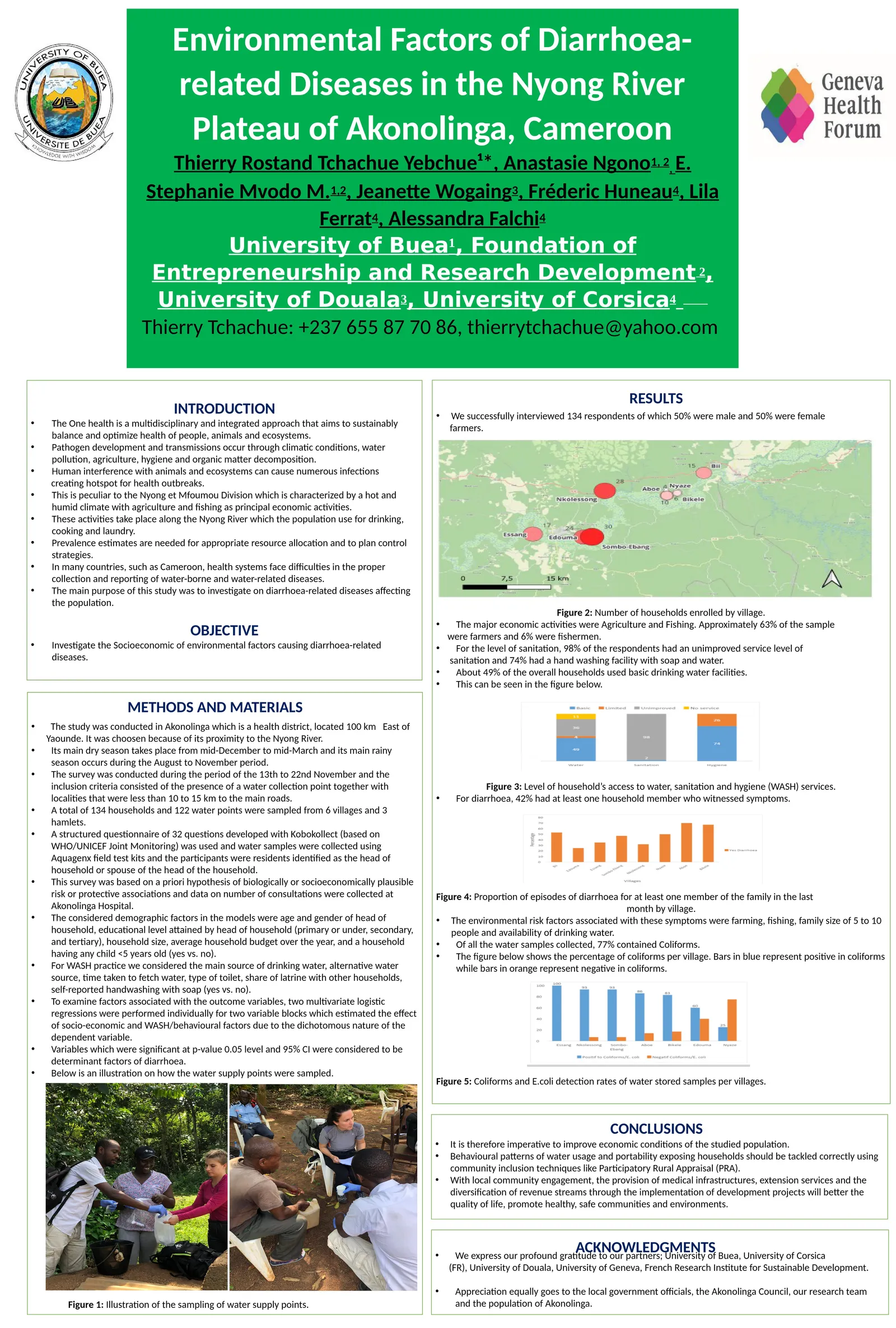 Infectious DiseasesEnvironmental Factors of Diarrhoea-related Diseases in the Nyong River Plateau of Akonolinga, CameroonT. Tchachue Yebchue, A. Ngono, E. Mvodo M. and 4 others
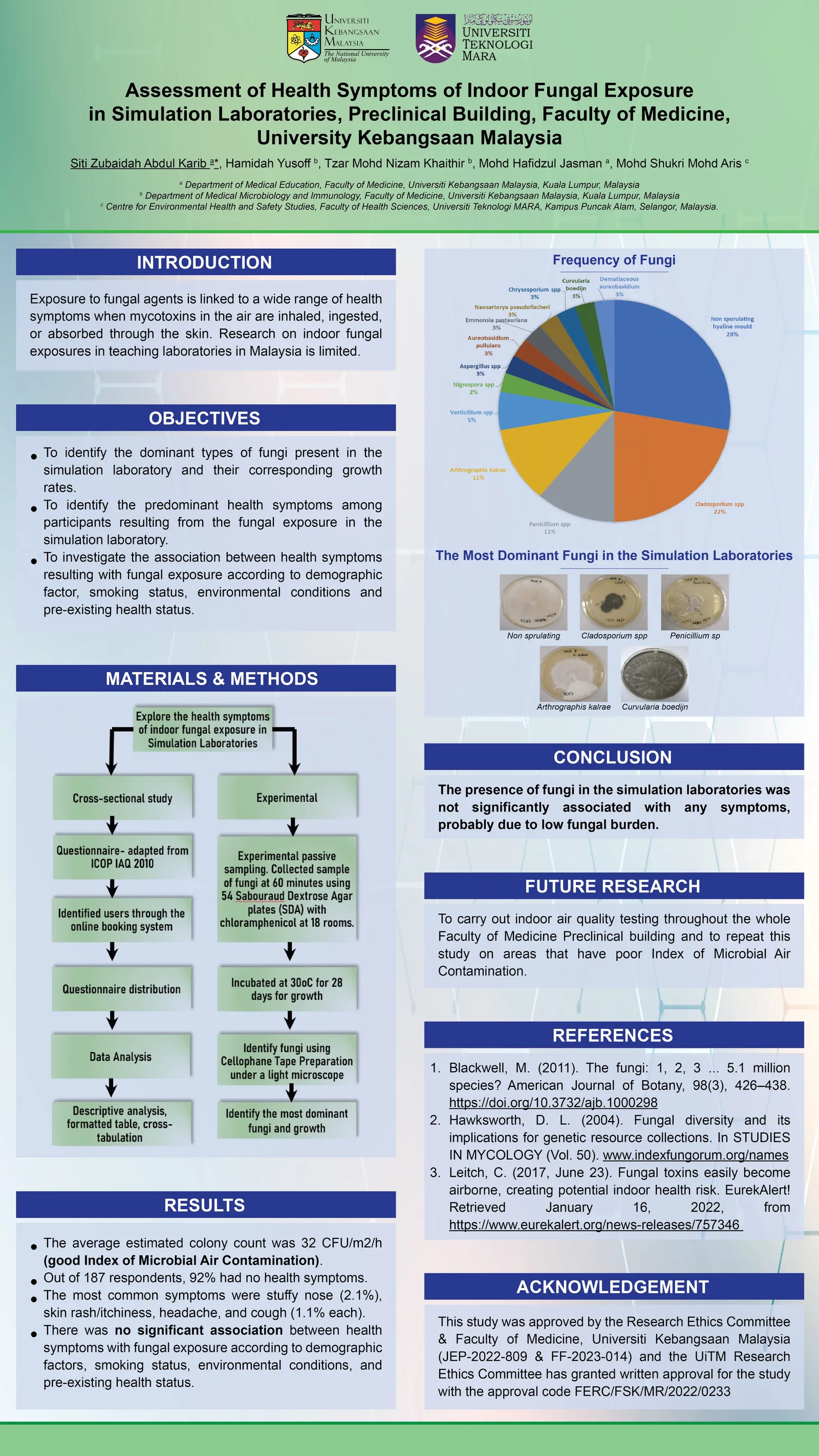 Infectious DiseasesAssessment of Health Symptoms of Indoor Fungal Exposure in Simulation Laboratories, Preclinical Building, Faculty of Medicine, University Kebangsaan MalaysiaS. Karib, H. Yusoff, T. Khaithir and 2 others
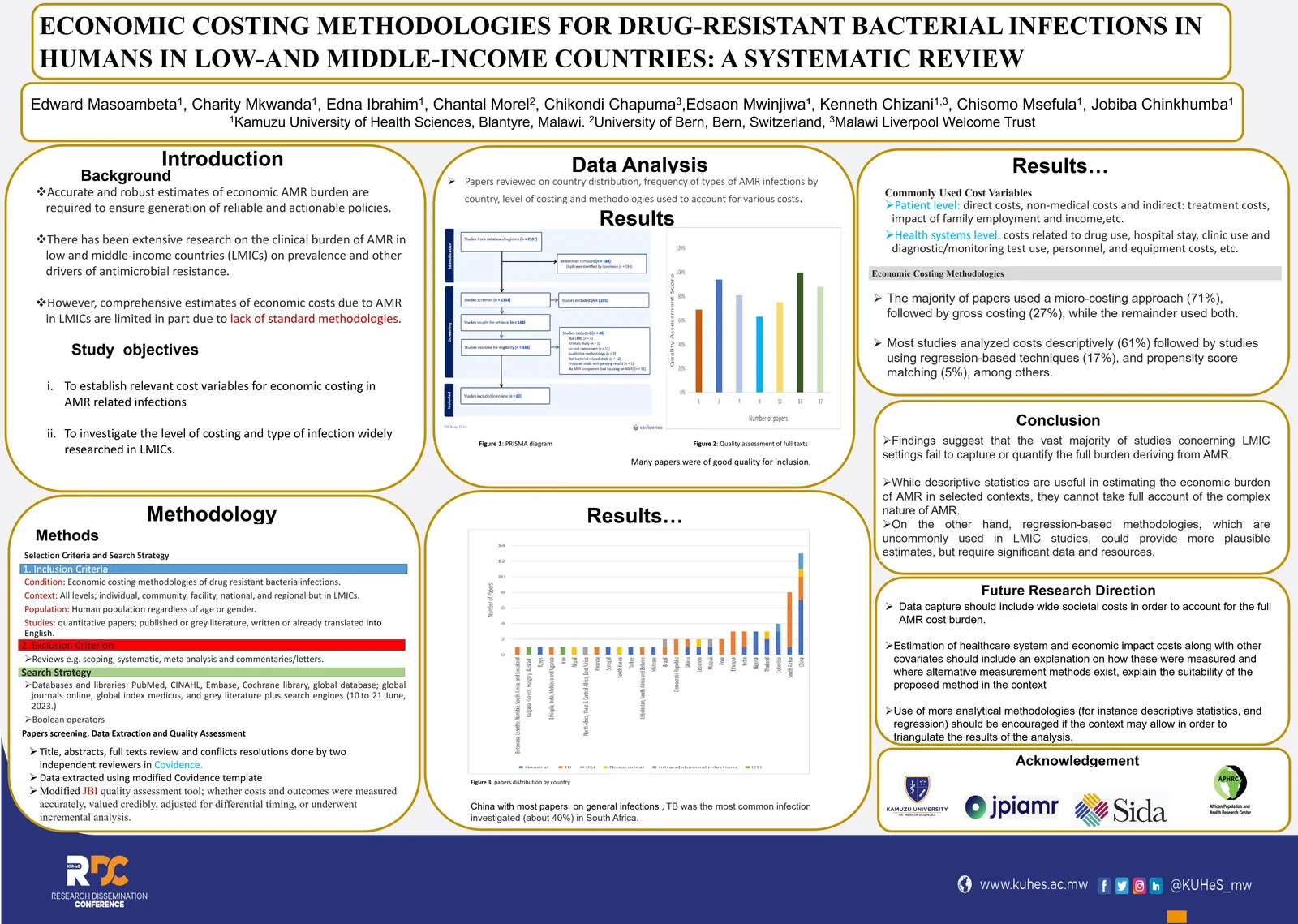 Infectious DiseasesEconomic costing methodologies for drug-resistant bacterial infections in humans in low-and middle-income countries: a systematic reviewE. Masoambeta, C. Mkwanda, E. Ibrahim and 6 others
 Infectious DiseasesHepatitis A in children: knowledge, attitudes and practices of young Moroccan pediatricians.T. Laadimi, M. Lagrin, R. El Qadiri and 3 others
 Infectious DiseasesHigh seroprevalence and factors associated with Hepatitis B virus infection: A snapshot from HIV-1 infected population in Mtwara region, TanzaniaV. Shedura, A. Hussein, G. Mchau and 1 other