
Assessment of Health Symptoms of Indoor Fungal Exposure in Simulation Laboratories, Preclinical Building, Faculty of Medicine, University Kebangsaan Malaysia
Siti Zubaidah Abdul Karib1✉, Hamidah Yusoff2, Tzar Mohd Nizam Khaithir2, Mohd Shukri Mohd Aris3, Mohd Hafidzul Jasman1
- 1 Department of Medical Education, Faculty of Medicine, Universiti Kebangsaan Malaysia, Kuala Lumpur, Malaysia
- 2 Department of Medical Microbiology and Immunology, Faculty of Medicine, Universiti Kebangsaan Malaysia, Kuala Lumpur, Malaysia
- 3 Centre for Environmental Health and Safety Studies, Faculty of Health Sciences, Universiti Teknologi MARA, Kampus Puncak Alam, Selangor, Malaysia
Received 14 October 2026 · Accepted 14 October 2026 · Published 14 October 2026 · Corrected 9 November 2026
DOI: https://doi.org/10.5281/zenodo.23367957
- views
- 20
- downloads
- 13
- countries
- 8
Since publication · journal site and Zenodo archive · robots excluded
Abstract
Introduction
Exposure to fungal agents is linked to a wide range of health symptoms when mycotoxins in the air are inhaled, ingested, or absorbed through the skin. Research on indoor fungal exposures in teaching laboratories in Malaysia is limited.
Materials and methods
A cross-sectional and experimental study was conducted to explore health symptoms of indoor fungal exposure in simulation laboratories. A questionnaire adapted from ICOP IAQ 2010 was distributed to identified users through an online booking system. Experimental passive sampling collected fungi samples at 60 minutes using 54 Sabouraud Dextrose Agar plates with chloramphenicol at 18 rooms, incubated at 30°C for 28 days. Fungi were identified using cellophane tape preparation under a light microscope to determine dominant fungi and growth rates. Data analysis included descriptive analysis, formatted tables, and cross-tabulation.
Results
The average estimated colony count was 32 CFU/m2/h, indicating a good Index of Microbial Air Contamination. Among 187 respondents, 92% reported no health symptoms. The most common symptoms were stuffy nose (2.1%), skin rash/itchiness, headache, and cough (1.1% each). No significant association was found between health symptoms and fungal exposure according to demographic factors, smoking status, environmental conditions, and pre-existing health status.
Conclusion
The presence of fungi in the simulation laboratories was not significantly associated with any symptoms, probably due to low fungal burden.
Original poster
References
- Blackwell, M. (2011). The fungi: 1, 2, 3 ... 5.1 million species? American Journal of Botany, 98(3), 426–438. https://doi.org/10.3732/ajb.1000298
- Hawksworth, D. L. (2004). Fungal diversity and its implications for genetic resource collections. In STUDIES IN MYCOLOGY (Vol. 50). www.indexfungorum.org/names
- Leitch, C. (2017, June 23). Fungal toxins easily become airborne, creating potential indoor health risk. EurekAlert! Retrieved January 16, 2022, from https://www.eurekalert.org/news-releases/757346
Related posters
 Infectious DiseasesFrom Grassroots to Global: Lessons from the Zero Malaria Starts with Me campaign 2014-2024J. Wallen
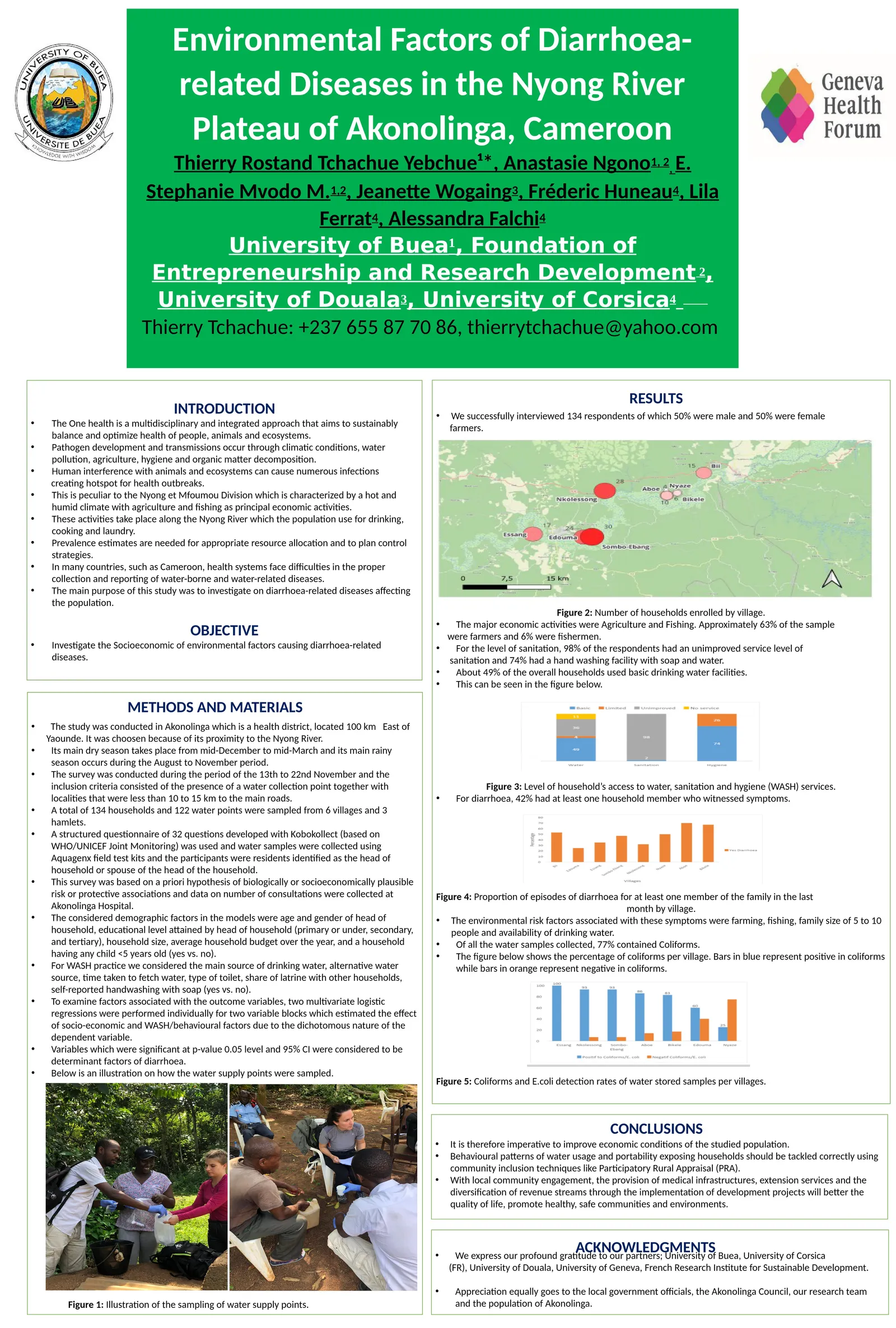 Infectious DiseasesEnvironmental Factors of Diarrhoea-related Diseases in the Nyong River Plateau of Akonolinga, CameroonT. Tchachue Yebchue, A. Ngono, E. Mvodo M. and 4 others
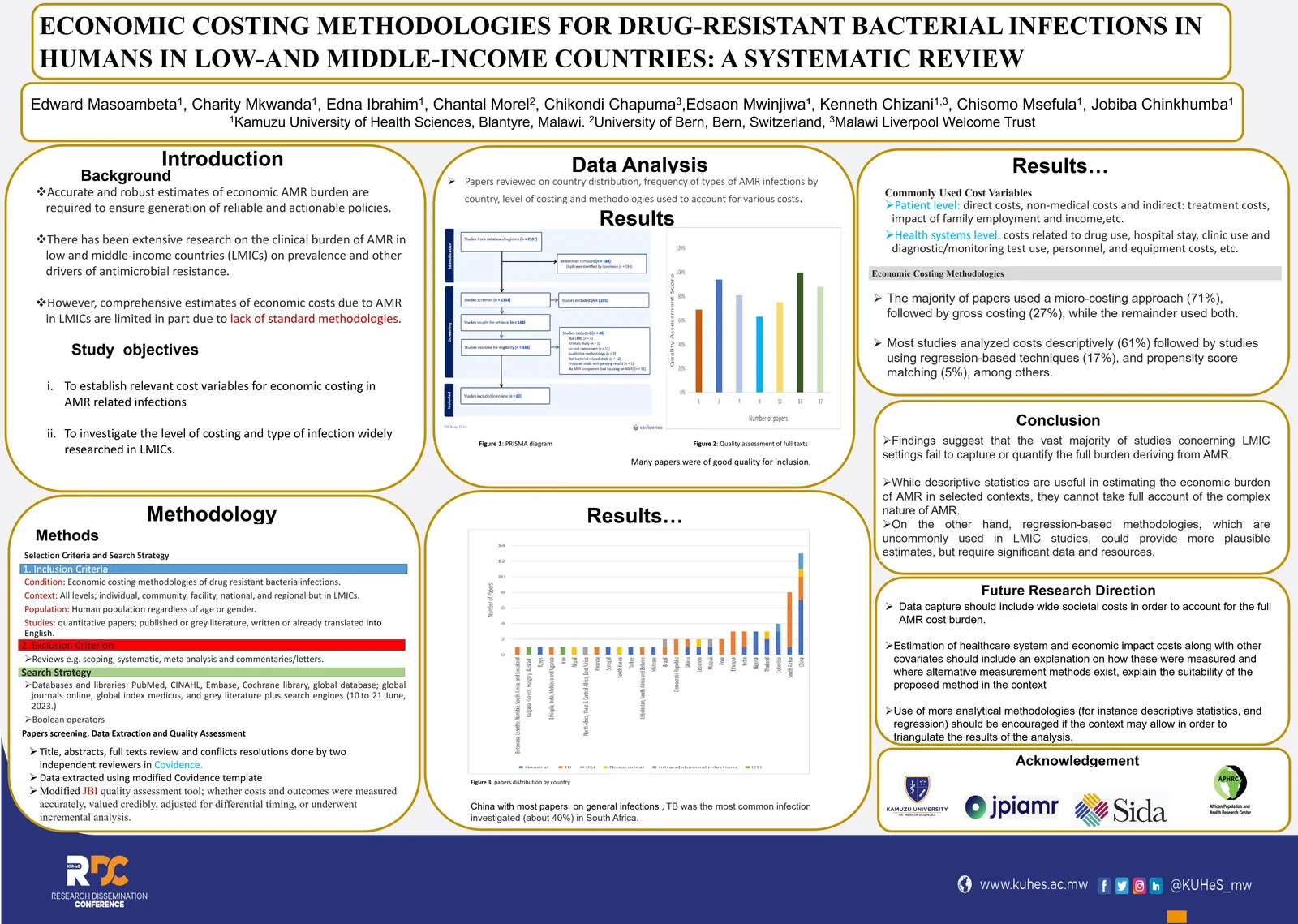 Infectious DiseasesEconomic costing methodologies for drug-resistant bacterial infections in humans in low-and middle-income countries: a systematic reviewE. Masoambeta, C. Mkwanda, E. Ibrahim and 6 others
 Infectious DiseasesDetection of Diverse Microplastic Polymers in Human Breast MilkN. Zainuddin, N. Shamsul, D. Nasri and 3 others
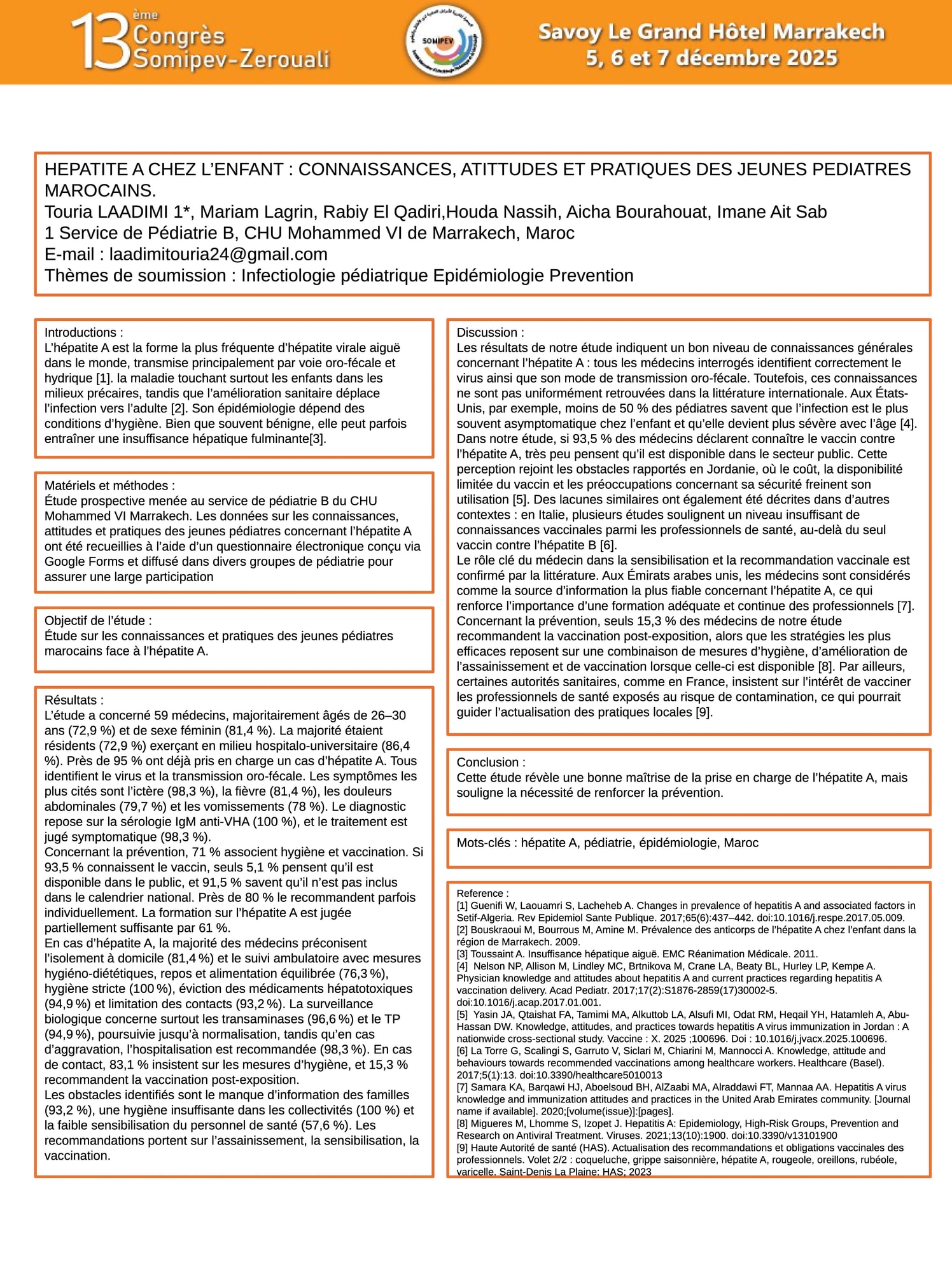 Infectious DiseasesHepatitis A in children: knowledge, attitudes and practices of young Moroccan pediatricians.T. Laadimi, M. Lagrin, R. El Qadiri and 3 others
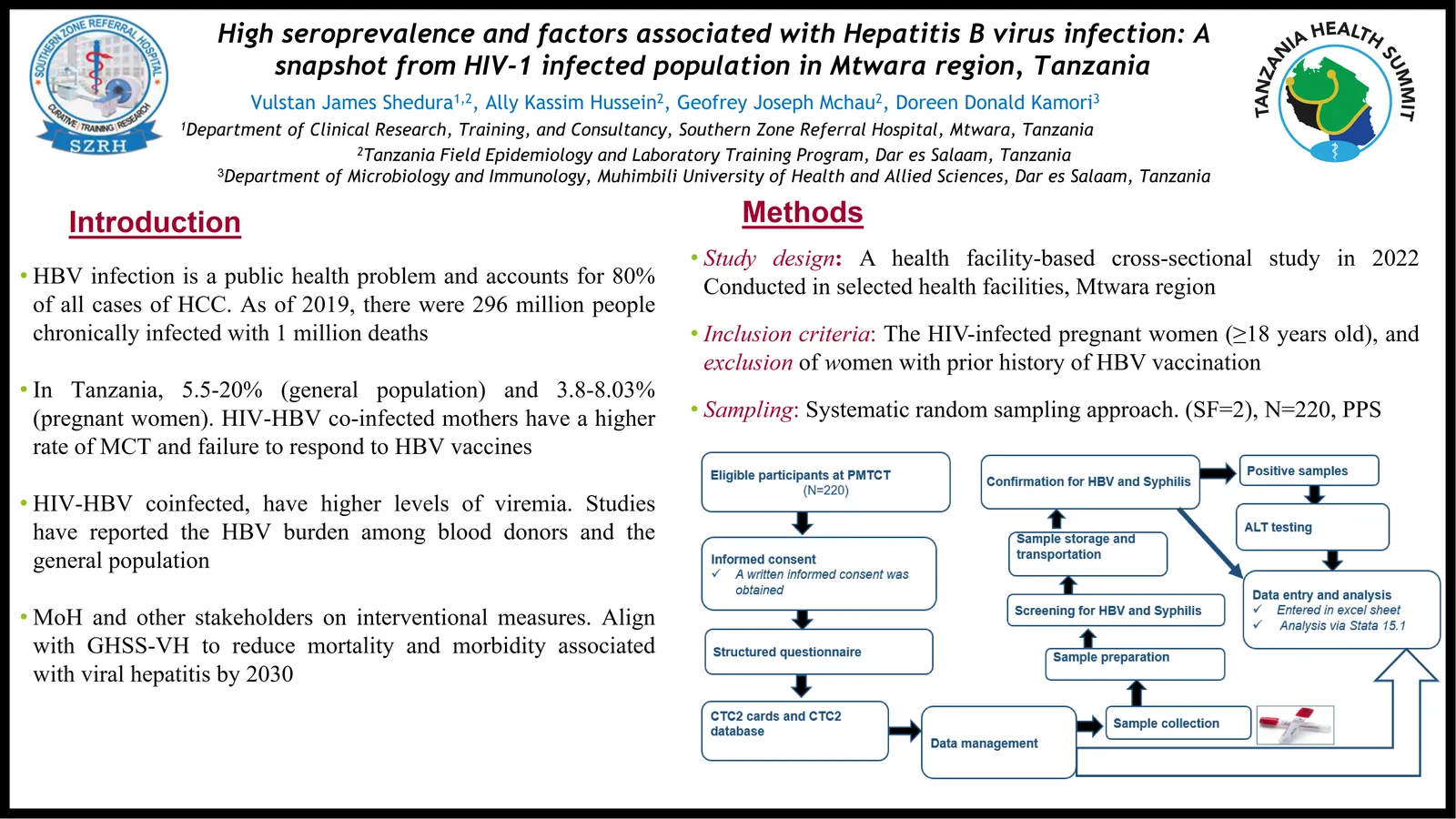 Infectious DiseasesHigh seroprevalence and factors associated with Hepatitis B virus infection: A snapshot from HIV-1 infected population in Mtwara region, TanzaniaV. Shedura, A. Hussein, G. Mchau and 1 other