
Prevalence of Gram-Negative Bacilli Bacteremia After Allogeneic Hematopoietic Stem Cell Transplantation in Pediatrics
English version of a poster presented in French.
N. Ben Nejma1✉, Y. Chebbi1,2, S. Frigui1,2, M. Ben Khaled2,3, M. Ouederni2,3, W. Achour1,2
- 1 Service des Laboratoires, Centre National de Greffe de Moelle Osseuse, Tunis, Tunisie
- 2 Faculté de Médecine de Tunis, Université de Tunis El Manar, LR 18ES39, Tunis, Tunisie
- 3 Service d’Immuno-Hématologie et de Greffe Pédiatrique, Centre National de Greffe de Moelle Osseuse, Tunis, Tunisie
Received 1 October 2026 · Accepted 1 October 2026 · Published 1 October 2026 · Corrected 9 November 2026
DOI: https://doi.org/10.5281/zenodo.23166776
Article PDF · Original poster (PDF)
- views
- 40
- downloads
- 16
- countries
- 10
Since publication · journal site and Zenodo archive · robots excluded
Abstract
Introduction
Allogeneic hematopoietic stem cell transplantation (HSCT) is an essential therapy for various pediatric hematologic diseases, but it is associated with a high risk of infectious complications. Bacteremias represent a major cause of morbidity and mortality in transplanted patients due to profound immunosuppression and disruption of mucosal barriers.
Materials and methods
This retrospective study included children who underwent allogeneic HSCT in the Pediatric Immuno-Hematology and Transplantation Department presenting at least one episode of bacteremia between January 2018 and May 2024. Blood culture bottles were incubated using the BACT/ALERT automated system (BioMérieux). For commensal species, bacteremia was defined by the presence of at least two positive blood cultures with the same organism.
Results
A total of 130 bacteremias were identified in 82 allogeneic HSCT recipients, with a prevalence of infected patients of 41.8%. Twenty-three patients had two or more bacteremic episodes. Central venous catheter-related bacteremias accounted for 16.9% of cases. The Gram-negative bacilli to Gram-positive cocci ratio was 2.51. The most frequently implicated organisms were Enterobacteriaceae. Antibiotic resistance rates were higher among Enterobacteriaceae than among non-fermenting Gram-negative bacilli. Among 21 coagulase-negative staphylococci strains, 19 were methicillin-resistant, seven were resistant to gentamicin, and four to ciprofloxacin. All eleven Staphylococcus aureus strains were methicillin-sensitive except one. No staphylococcal strain was resistant to glycopeptides.
Conclusion
The prevalence of bacteremia in pediatric allogeneic HSCT recipients is high, with a clear predominance of Gram-negative bacilli.
Original poster
Related posters
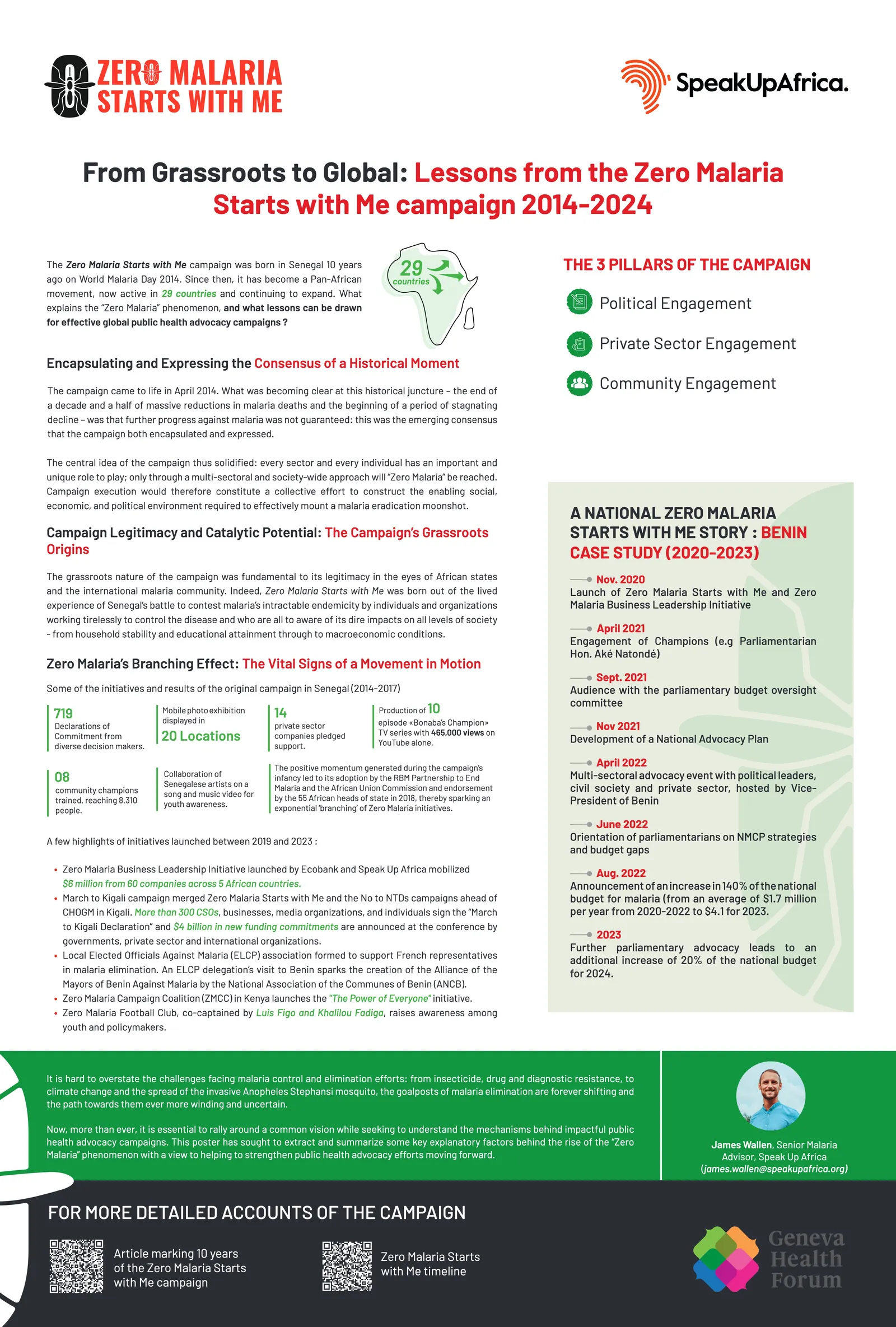 Infectious DiseasesFrom Grassroots to Global: Lessons from the Zero Malaria Starts with Me campaign 2014-2024J. Wallen
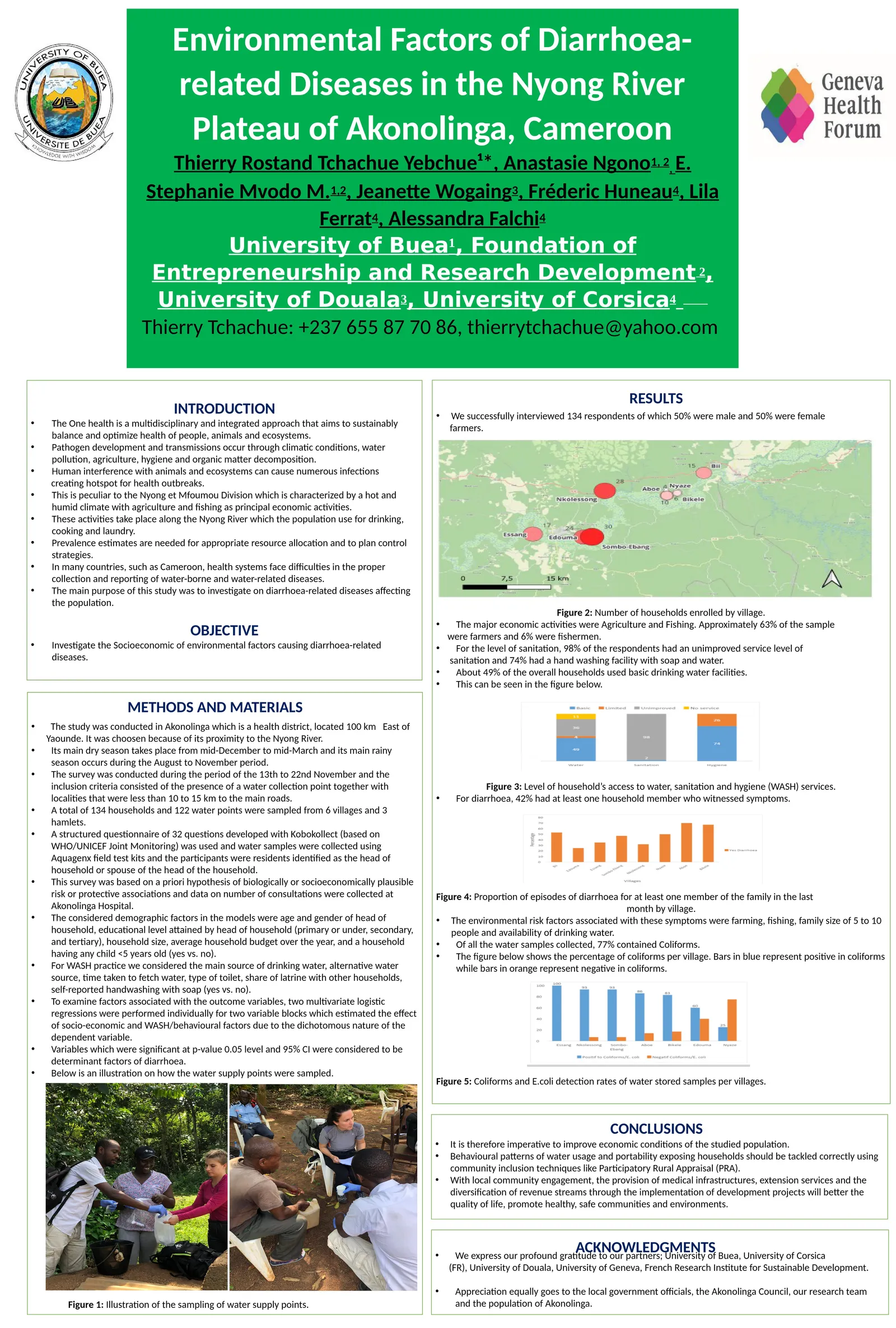 Infectious DiseasesEnvironmental Factors of Diarrhoea-related Diseases in the Nyong River Plateau of Akonolinga, CameroonT. Tchachue Yebchue, A. Ngono, E. Mvodo M. and 4 others
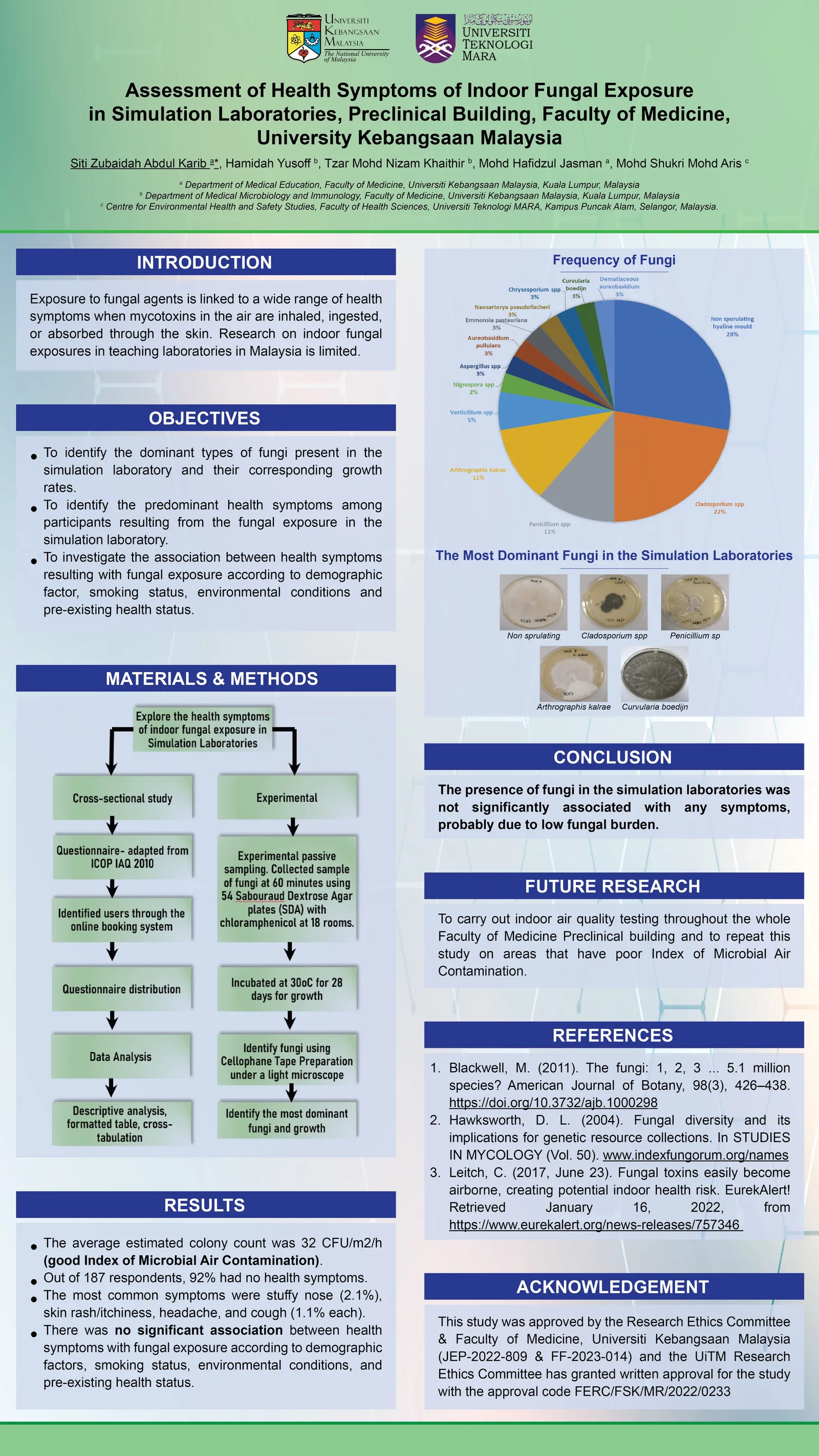 Infectious DiseasesAssessment of Health Symptoms of Indoor Fungal Exposure in Simulation Laboratories, Preclinical Building, Faculty of Medicine, University Kebangsaan MalaysiaS. Karib, H. Yusoff, T. Khaithir and 2 others
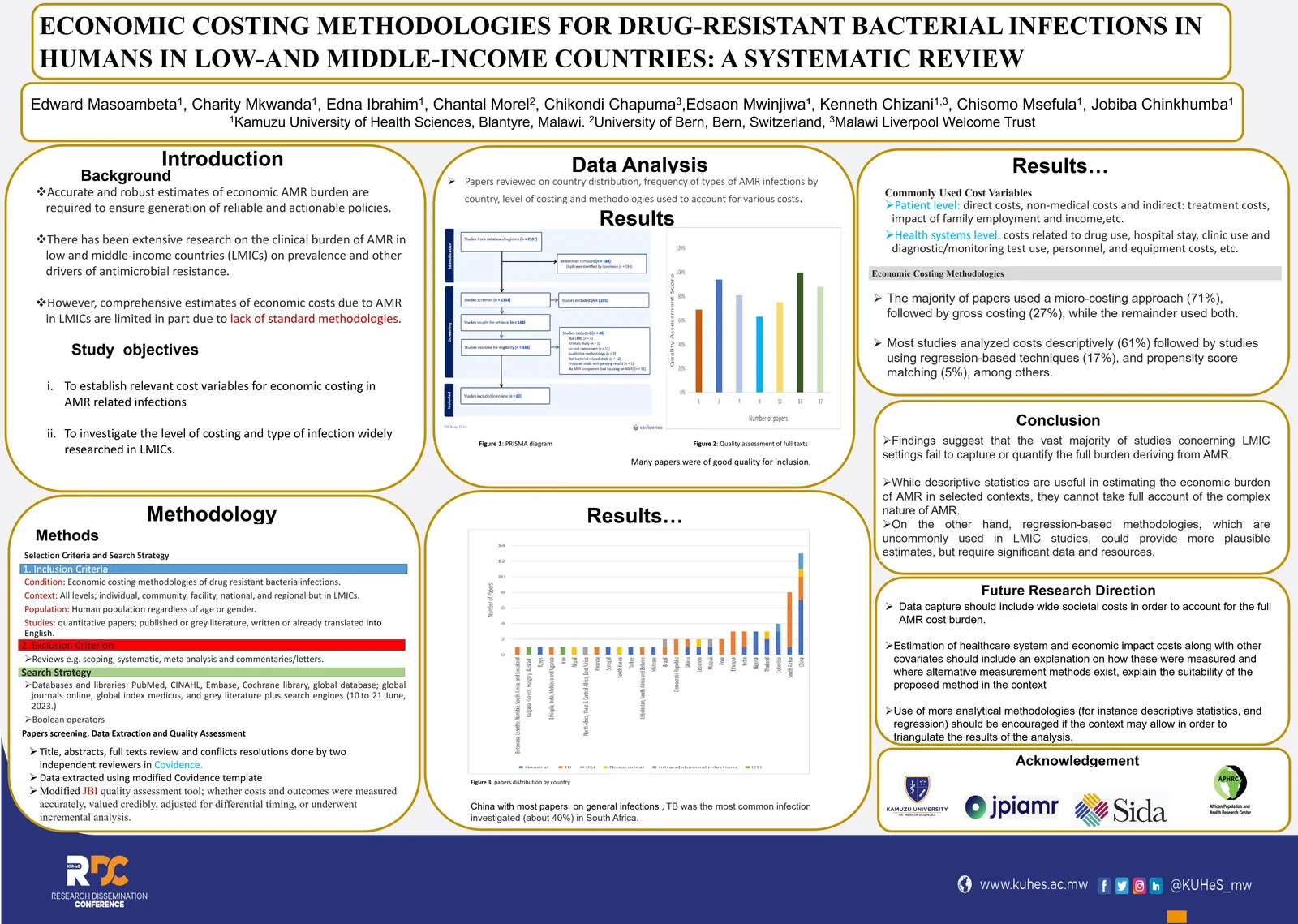 Infectious DiseasesEconomic costing methodologies for drug-resistant bacterial infections in humans in low-and middle-income countries: a systematic reviewE. Masoambeta, C. Mkwanda, E. Ibrahim and 6 others
 Infectious DiseasesDetection of Diverse Microplastic Polymers in Human Breast MilkN. Zainuddin, N. Shamsul, D. Nasri and 3 others
 Infectious DiseasesHepatitis A in children: knowledge, attitudes and practices of young Moroccan pediatricians.T. Laadimi, M. Lagrin, R. El Qadiri and 3 others