
Antibiotic resistance of bacteria isolated from bloodstream infections in pediatrics
English version of a poster presented in French.
Hiba Hormi1✉, K. Lassouli1, M. Fassih1, A. EL Kettani1, M. Soussi Abdellaoui2
- 1 Laboratoire de Bactériologie, Virologie et d’hygiène hospitalière , CHU Ibn Rochd- Casablanca
- 2 Université Hassan II de Casablanca, Faculté de Médecine et de Pharmacie de Casablanca
Received 6 October 2026 · Accepted 6 October 2026 · Published 6 October 2026
DOI: https://doi.org/10.5281/zenodo.23196155
Article PDF · Original poster (PDF)
- views
- 25
- downloads
- 13
- countries
- 8
Since publication · journal site and Zenodo archive · robots excluded
Abstract
Introduction
Bloodstream infections are defined by the presence of bacteria in the blood and represent a major management challenge in pediatrics, increasing morbidity and mortality. The objective is to identify the main bacteria responsible for bloodstream infections in pediatric settings and study their antibiotic resistance profiles.
Materials and methods
A retrospective descriptive study over one year (January to December 2024) including children hospitalized in pediatric departments at the Mère-Enfant Abderrahim Harouchi Hospital. Blood cultures were analyzed at the bacteriology-virology laboratory of the University Hospital Center of Casablanca. Bacterial identification was performed by MALDI-TOF mass spectrometry and antibiotic susceptibility testing by automated microdilution (Phoenix), according to CA-SFM/EUCAST recommendations.
Results
Out of 2553 blood cultures, 570 were positive (22.33%). The male/female sex ratio was 1.11. The most frequent bacteria were Klebsiella pneumoniae, Acinetobacter baumannii, and Staphylococcus aureus. High resistance rates were observed, including ESBL-producing Enterobacteriaceae resistant to ciprofloxacin, gentamicin, amikacin, and carbapenems, as well as methicillin-resistant Staphylococcus aureus and significant resistance of Acinetobacter baumannii and Pseudomonas aeruginosa to imipenem and ceftazidime.
Conclusion
Epidemiological surveillance of pathogens responsible for bloodstream infections in pediatrics is essential to limit the emergence and spread of multidrug-resistant strains and optimize clinical management of children.
Original poster
References
- S. Boughattas , N. El Haddad , F. Azouzi , L. Tilouche , K. Jihene , S. Halim , S. Ketata , B. Olfa Bactériémie en pédiatrie
- Droz, N., Hsia, Y., Ellis, S., Dramowski, A., Sharland, M. and Basmaci, R. (2019) Bacterial Pathogens and Resistance Causing Community Acquired Paediatric Bloodstream Infections in Low- and Middle-Income Countries: A Systematic Review and Meta-Analysis. Antimicrobial Resistance & Infection Control, 8, 207.
- Bacteria isolated from blood cultures in a neonatal and pediatric intensive care unit and their antibiotic resistance: 5-year results Orhan Z., Kayış A., Kirişci Ö., Küçük B., Altun M., Aral M. Trends in Pediatrics, vol.6, no.2, pp.108-115, 2025
Related posters
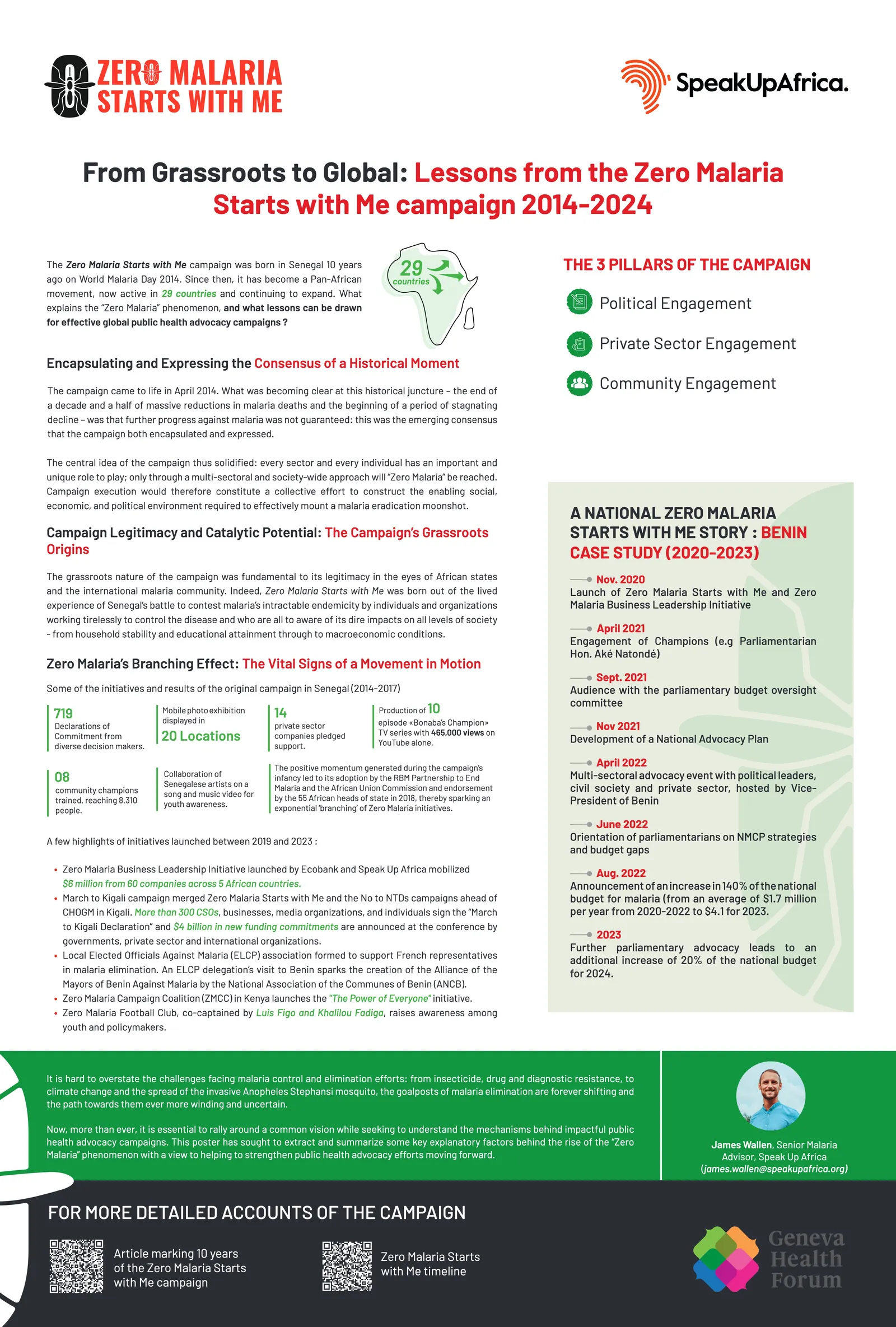 Infectious DiseasesFrom Grassroots to Global: Lessons from the Zero Malaria Starts with Me campaign 2014-2024J. Wallen
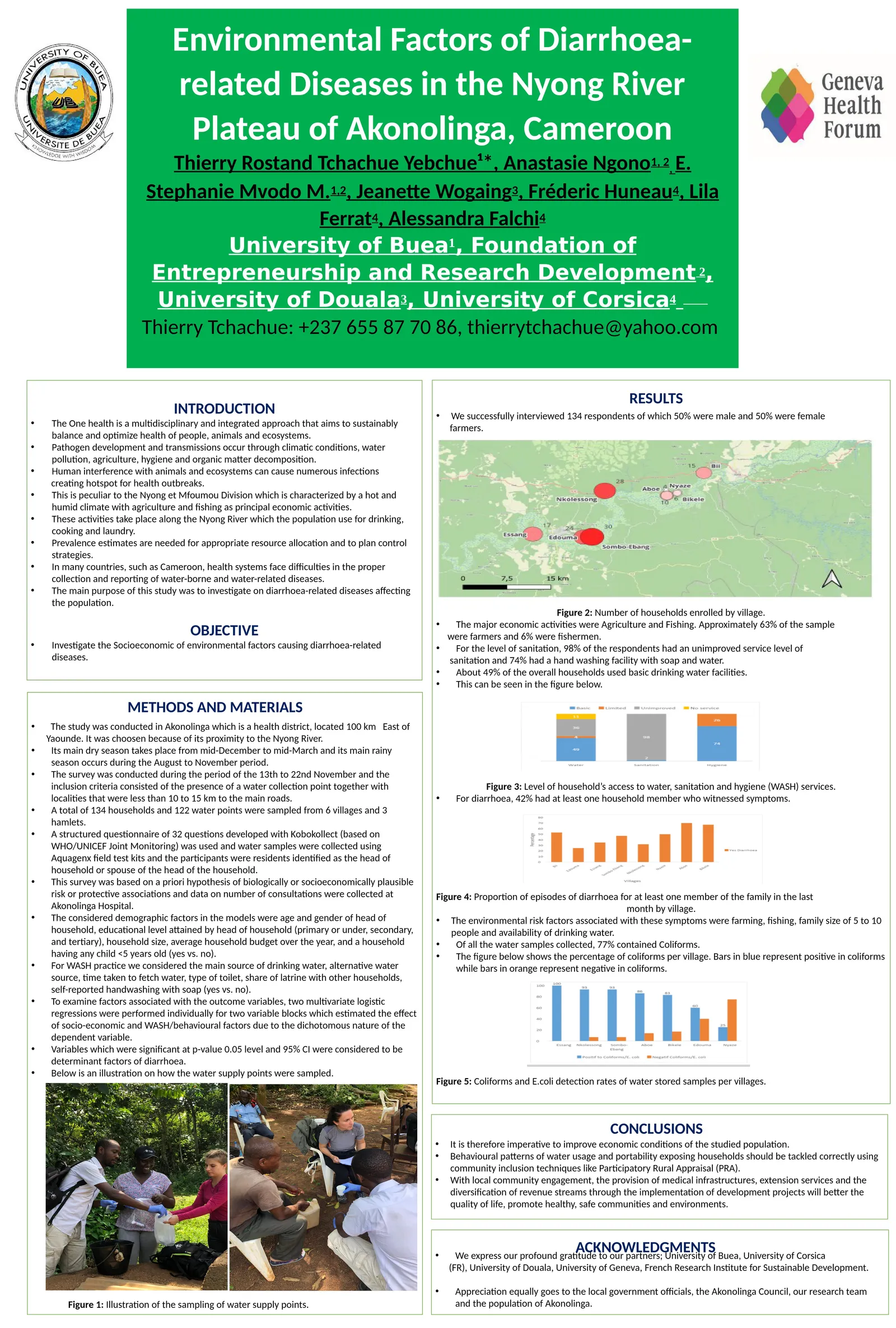 Infectious DiseasesEnvironmental Factors of Diarrhoea-related Diseases in the Nyong River Plateau of Akonolinga, CameroonT. Tchachue Yebchue, A. Ngono, E. Mvodo M. and 4 others
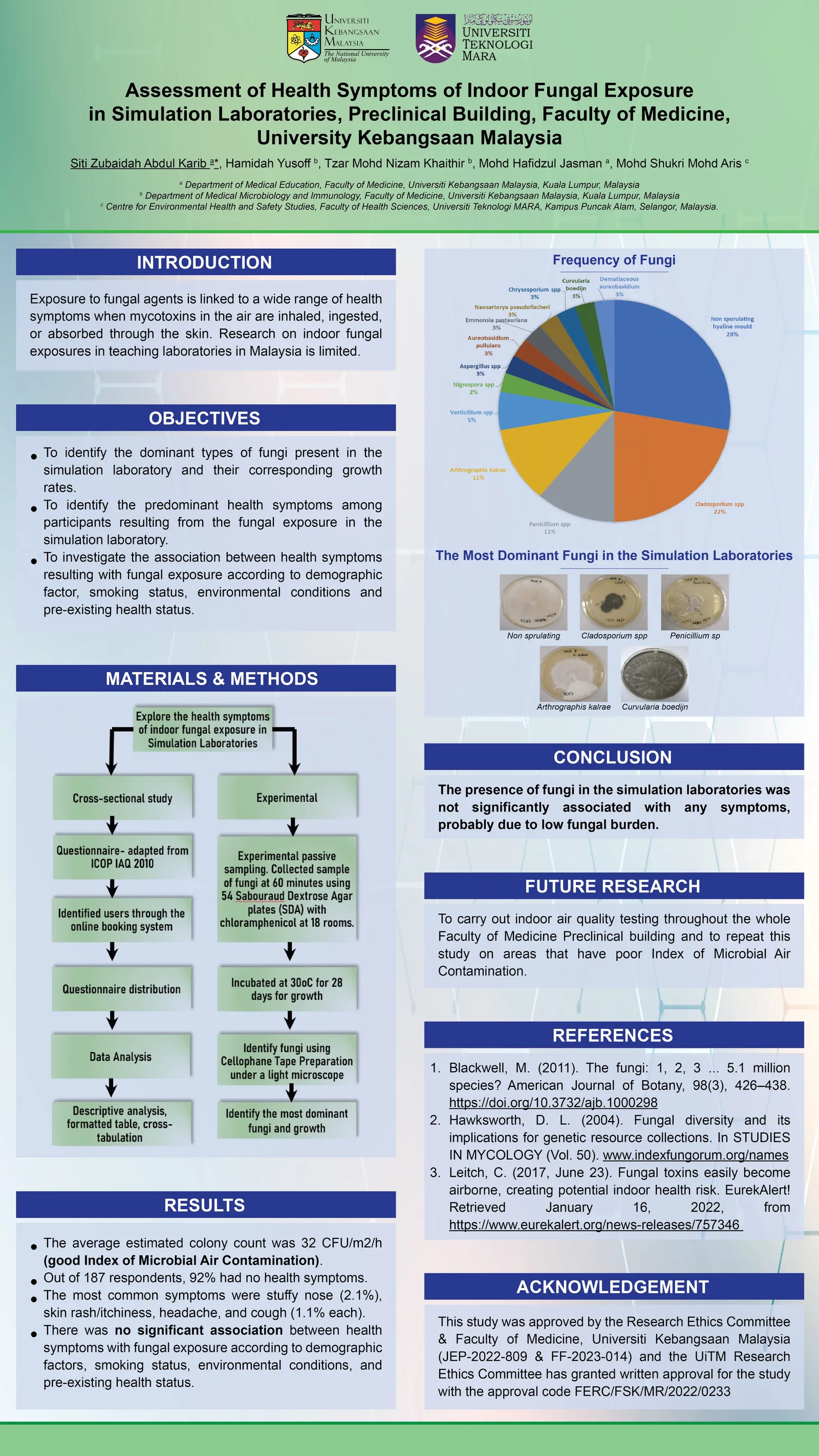 Infectious DiseasesAssessment of Health Symptoms of Indoor Fungal Exposure in Simulation Laboratories, Preclinical Building, Faculty of Medicine, University Kebangsaan MalaysiaS. Karib, H. Yusoff, T. Khaithir and 2 others
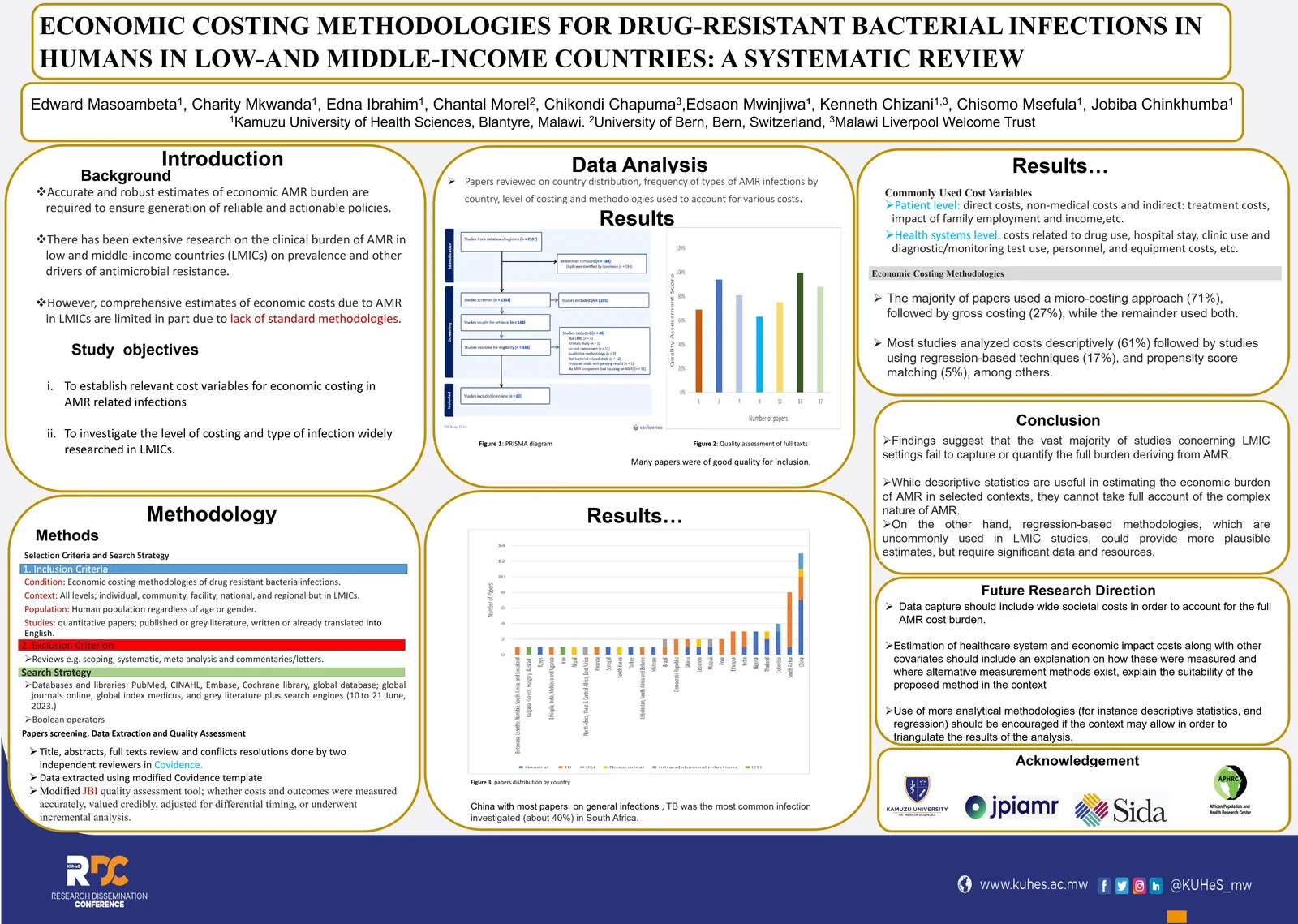 Infectious DiseasesEconomic costing methodologies for drug-resistant bacterial infections in humans in low-and middle-income countries: a systematic reviewE. Masoambeta, C. Mkwanda, E. Ibrahim and 6 others
 Infectious DiseasesDetection of Diverse Microplastic Polymers in Human Breast MilkN. Zainuddin, N. Shamsul, D. Nasri and 3 others
 Infectious DiseasesHepatitis A in children: knowledge, attitudes and practices of young Moroccan pediatricians.T. Laadimi, M. Lagrin, R. El Qadiri and 3 others