
Hidden Danger: Acquired Methemoglobinemia Following Dapsone Therapy
Musab Ahmed1✉ORCID, Ahmed Usama, Chryslene Abraham, Rayan Ahmed, Mohamed Mohamedkhair
- 1 Sharjah
Received 6 October 2026 · Accepted 6 October 2026 · Published 6 October 2026
DOI: https://doi.org/10.5281/zenodo.23196555
- views
- 29
- downloads
- 17
- countries
- 9
Since publication · journal site and Zenodo archive · robots excluded
Abstract
Introduction
Methemoglobinemia is a disorder where hemoglobin iron is oxidized from ferrous to ferric form, impairing oxygen delivery. It can be congenital or acquired, often due to oxidizing drugs like dapsone. Symptoms vary from mild fatigue to severe hypoxia, with a characteristic saturation gap between SpO2 and PaO2.
Materials and methods
A 38-year-old male on dapsone for dermatitis herpetiformis presented with headache, dyspnea, fatigue, and grayish discoloration. Despite normal chest exam and tests, he showed hypoxia with a saturation gap. Diagnosis was confirmed by co-oximetry showing elevated MetHb. He was treated with IV methylene blue and oxygen support, leading to improvement.
Results
The patient’s SpO2 improved from 79% to 95% on room air within 24 hours after methylene blue administration and discontinuation of dapsone. MetHb level was 12.9%, confirming dapsone-induced methemoglobinemia. Treatment included oxygen support and monitoring, with therapy adjustment.
Conclusion
In patients treated with dapsone presenting unexplained hypoxia or cyanosis unresponsive to oxygen, methemoglobinemia should be suspected and confirmed by co-oximetry. Management involves stopping the offending drug, administering methylene blue, screening for G6PD deficiency, and monitoring MetHb levels. Patient education on symptom recognition and avoidance of oxidant drugs is essential.
Original poster
Related posters
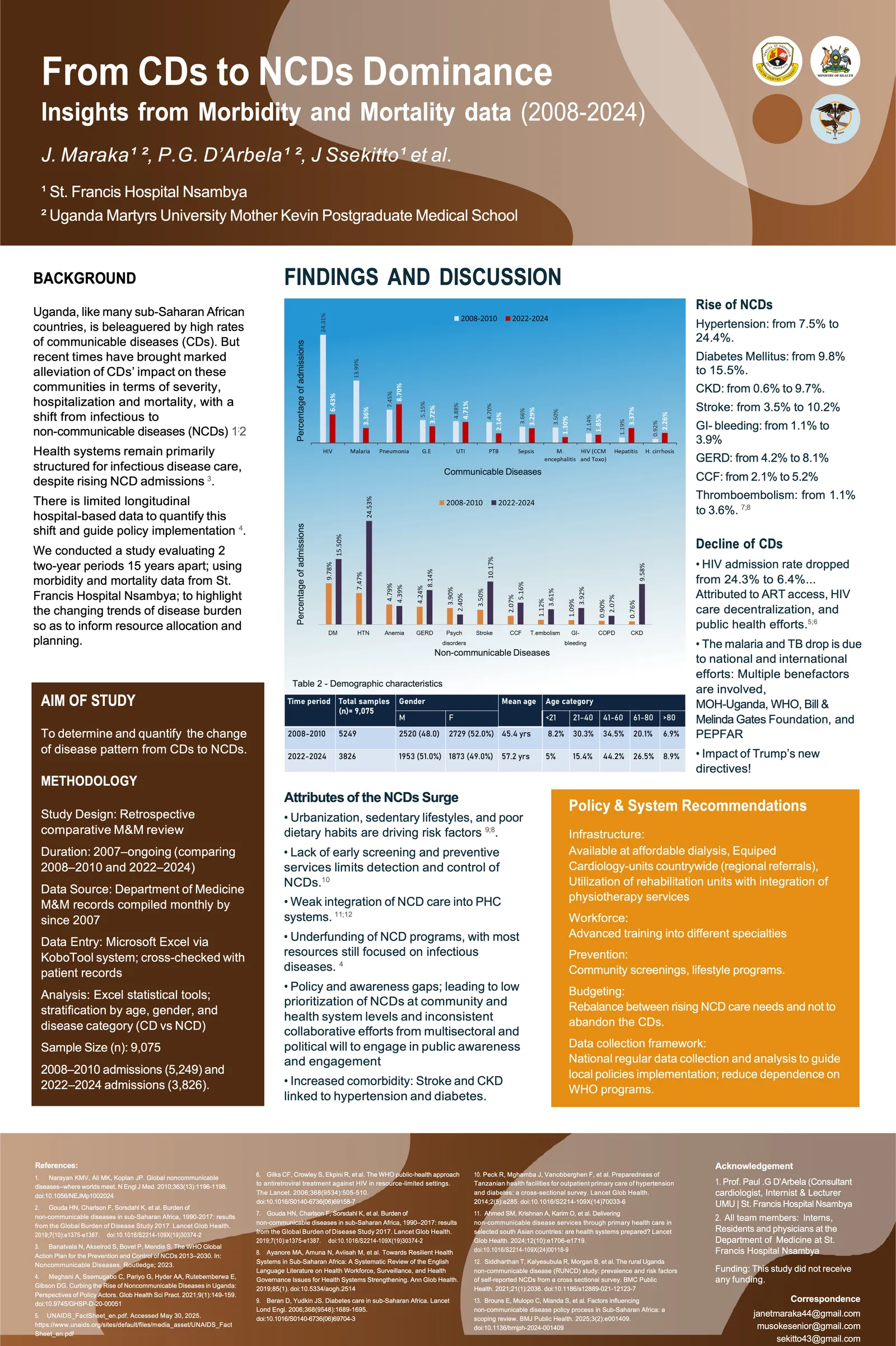 Internal MedicineFrom CDs to NCDs Dominance: Insights from Morbidity and Mortality data (2008-2024)J. Maraka, P. D'Arbela, J. Ssekitto
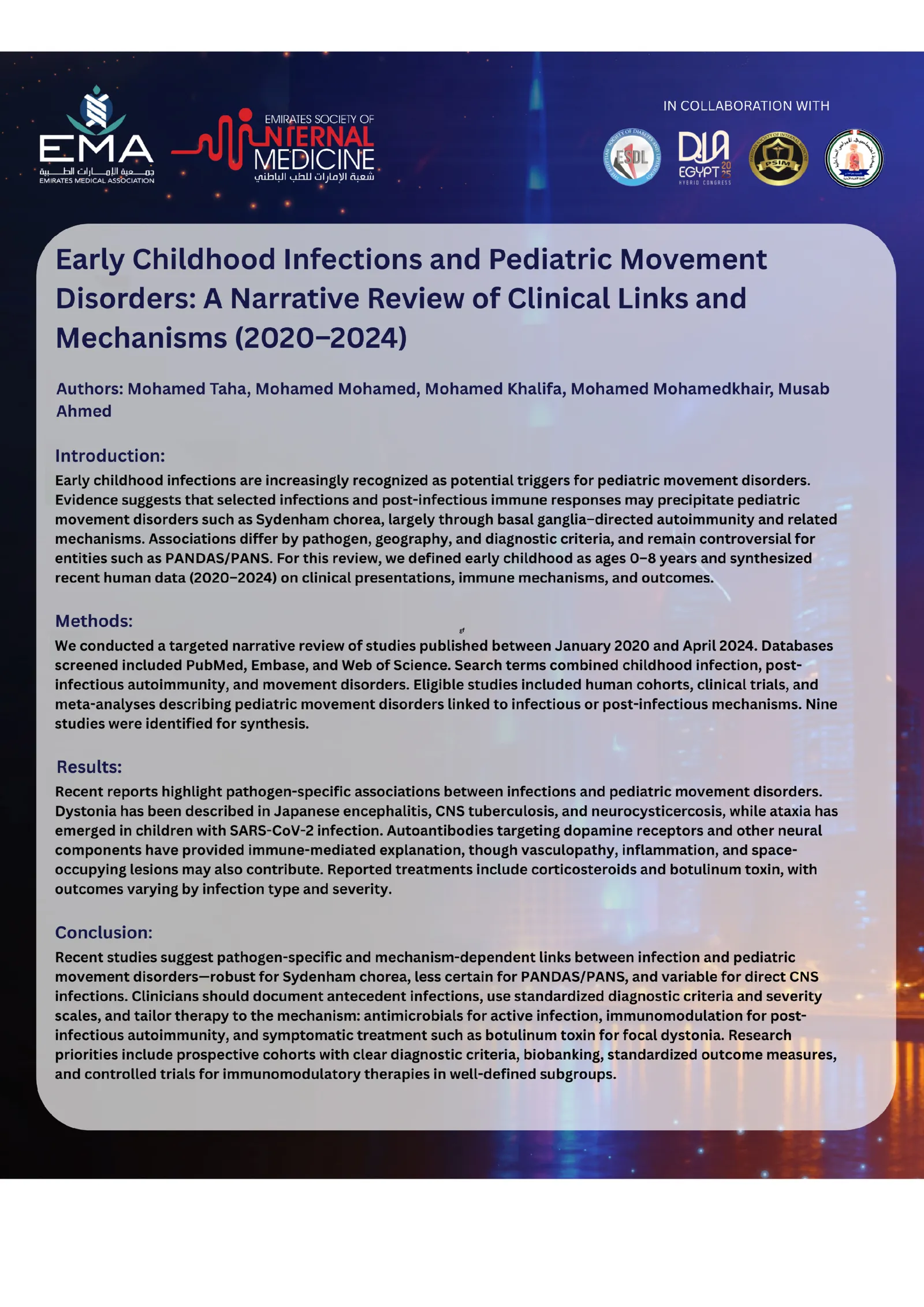 Internal MedicineEarly Childhood Infections and Pediatric Movement Disorders: A Narrative Review of Clinical Links and Mechanisms (2020-2024)M. Taha, M. Mohamed, M. Khalifa and 2 others
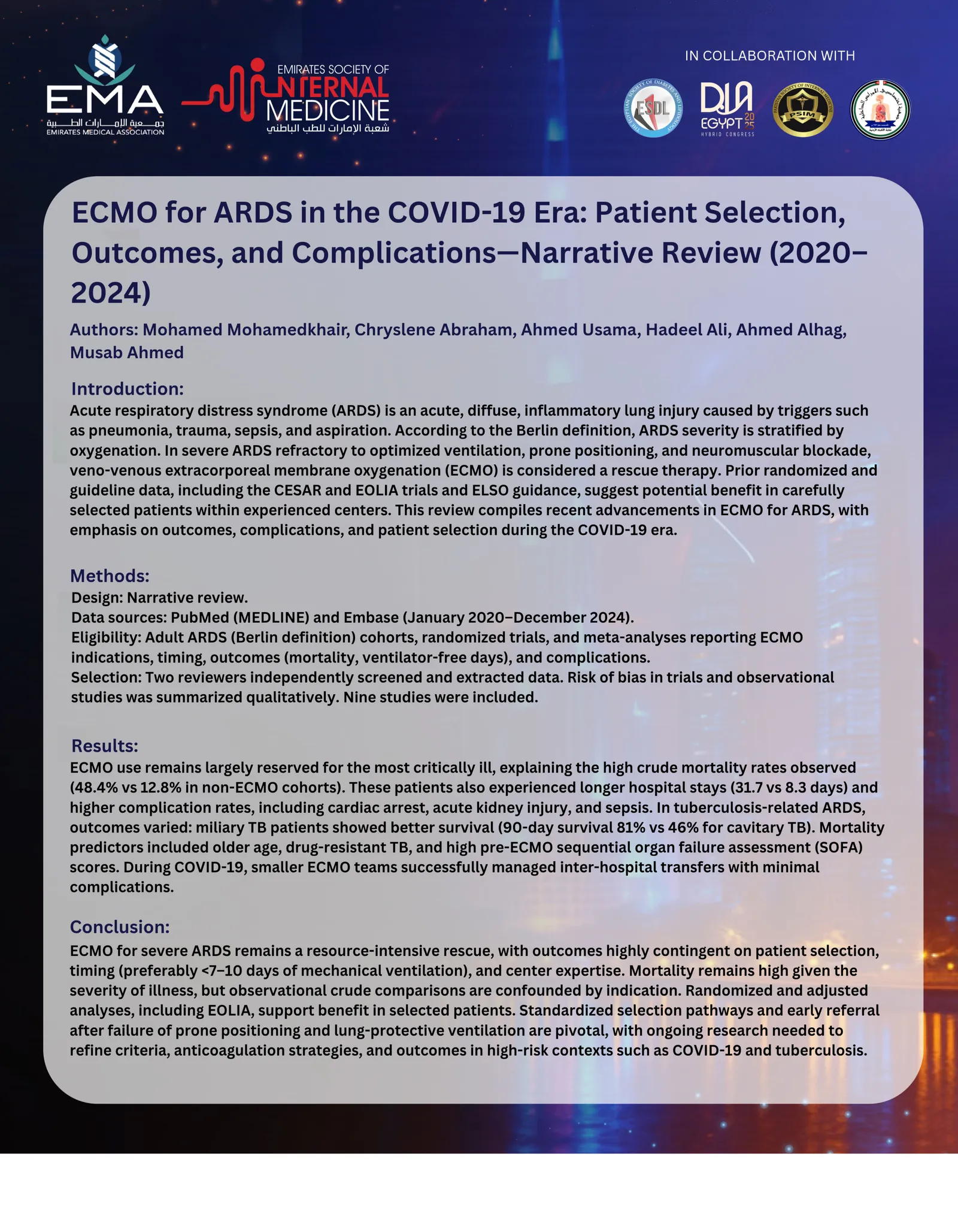 Internal MedicineECMO for ARDS in the COVID-19 Era: Patient Selection, Outcomes, and Complications—Narrative Review (2020–2024)M. Mohamedkhair, C. Abraham, A. Usama and 3 others