
Early Childhood Infections and Pediatric Movement Disorders: A Narrative Review of Clinical Links and Mechanisms (2020-2024)
Mohamed Taha1✉, Mohamed Mohamed, Mohamed Khalifa, Mohamed Mohamedkhair, Musab Ahmed
- 1 al ain uae
Received 6 October 2026 · Accepted 6 October 2026 · Published 6 October 2026
DOI: https://doi.org/10.5281/zenodo.23198147
Article PDF · Original poster (PDF)
- views
- 14
- downloads
- 11
- countries
- 8
Since publication · journal site and Zenodo archive · robots excluded
Abstract
Introduction
Early childhood infections are increasingly recognized as potential triggers for pediatric movement disorders. Evidence suggests that selected infections and post-infectious immune responses may precipitate pediatric movement disorders such as Sydenham chorea, largely through basal ganglia-directed autoimmunity and related mechanisms. Associations differ by pathogen, geography, and diagnostic criteria, and remain controversial for entities such as PANDAS/PANS. This review defined early childhood as ages 0-8 years and synthesized recent human data (2020-2024) on clinical presentations, immune mechanisms, and outcomes.
Materials and methods
A targeted narrative review of studies published between January 2020 and April 2024 was conducted. Databases screened included PubMed, Embase, and Web of Science. Search terms combined childhood infection, post-infectious autoimmunity, and movement disorders. Eligible studies included human cohorts, clinical trials, and meta-analyses describing pediatric movement disorders linked to infectious or post-infectious mechanisms. Nine studies were identified for synthesis.
Results
Recent reports highlight pathogen-specific associations between infections and pediatric movement disorders. Dystonia has been described in Japanese encephalitis, CNS tuberculosis, and neurocysticercosis, while ataxia has emerged in children with SARS-CoV-2 infection. Autoantibodies targeting dopamine receptors and other neural components provide immune-mediated explanations, though vasculopathy, inflammation, and space-occupying lesions may also contribute. Reported treatments include corticosteroids and botulinum toxin, with outcomes varying by infection type and severity.
Conclusion
Recent studies suggest pathogen-specific and mechanism-dependent links between infection and pediatric movement disorders—robust for Sydenham chorea, less certain for PANDAS/PANS, and variable for direct CNS infections. Clinicians should document antecedent infections, use standardized diagnostic criteria and severity scales, and tailor therapy to the mechanism: antimicrobials for active infection, immunomodulation for post-infectious autoimmunity, and symptomatic treatment such as botulinum toxin for focal dystonia. Research priorities include prospective cohorts with clear diagnostic criteria, biobanking, standardized outcome measures, and controlled trials for immunomodulatory therapies in well-defined subgroups.
Original poster
Related posters
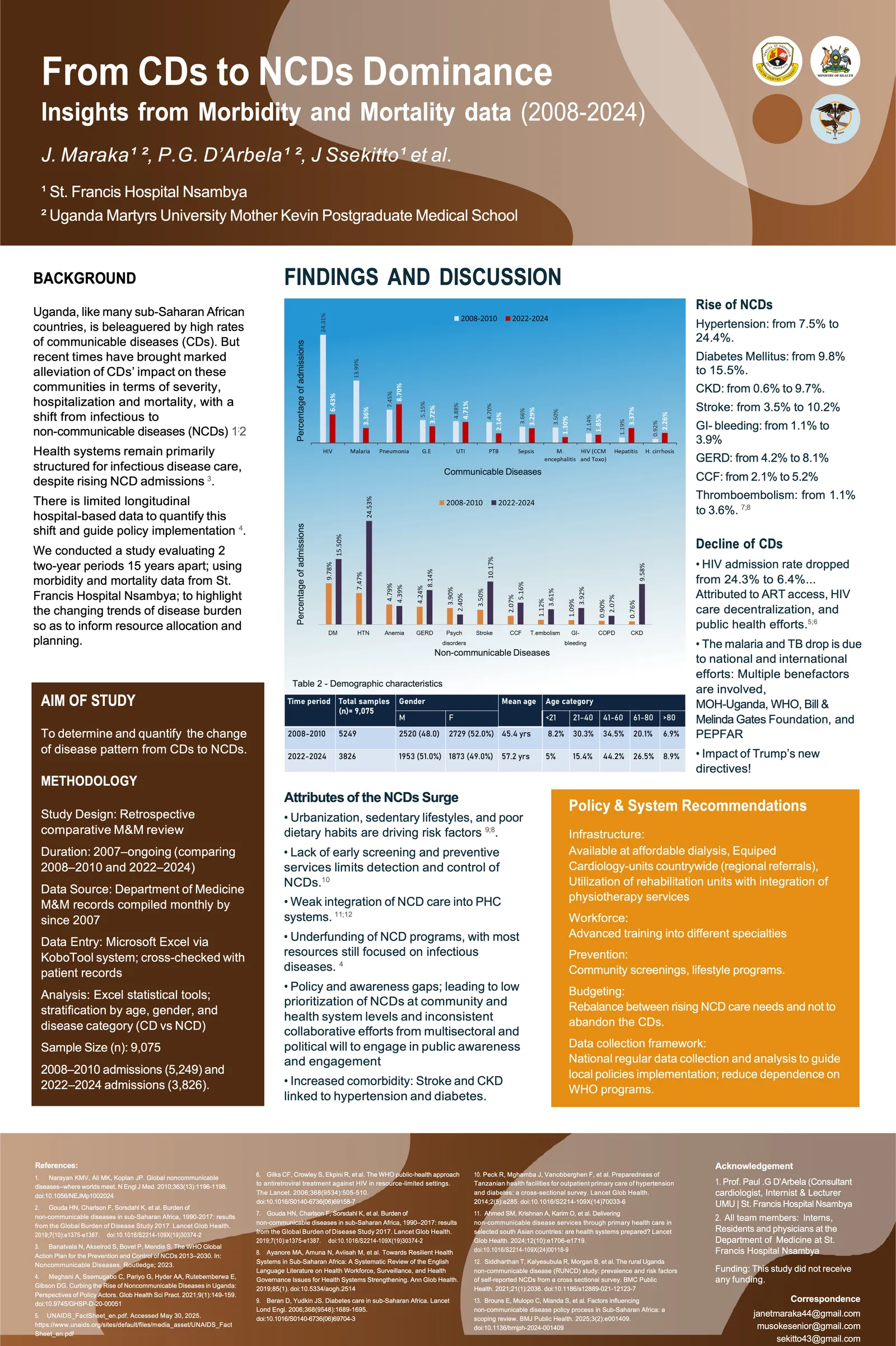 Internal MedicineFrom CDs to NCDs Dominance: Insights from Morbidity and Mortality data (2008-2024)J. Maraka, P. D'Arbela, J. Ssekitto
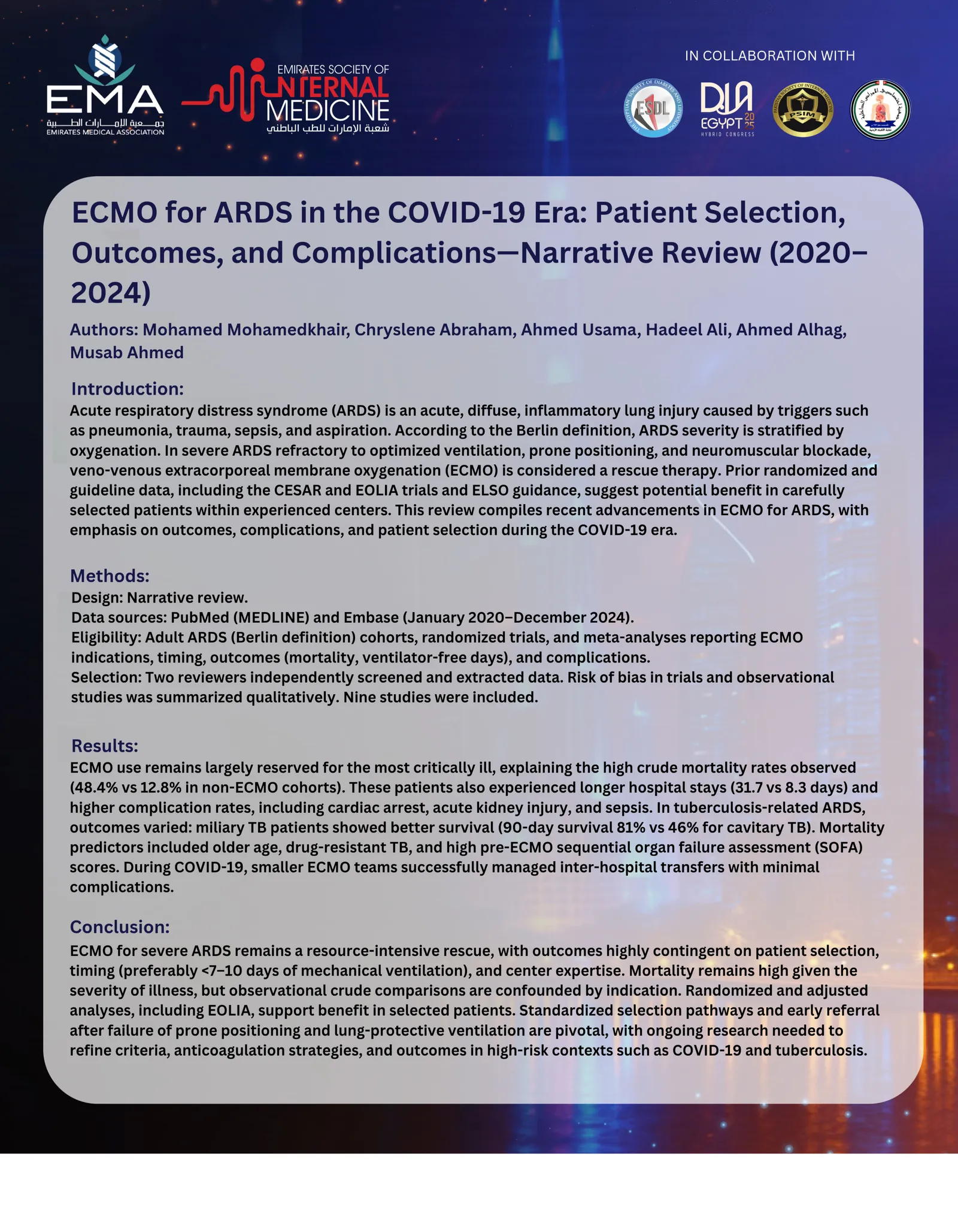 Internal MedicineECMO for ARDS in the COVID-19 Era: Patient Selection, Outcomes, and Complications—Narrative Review (2020–2024)M. Mohamedkhair, C. Abraham, A. Usama and 3 others
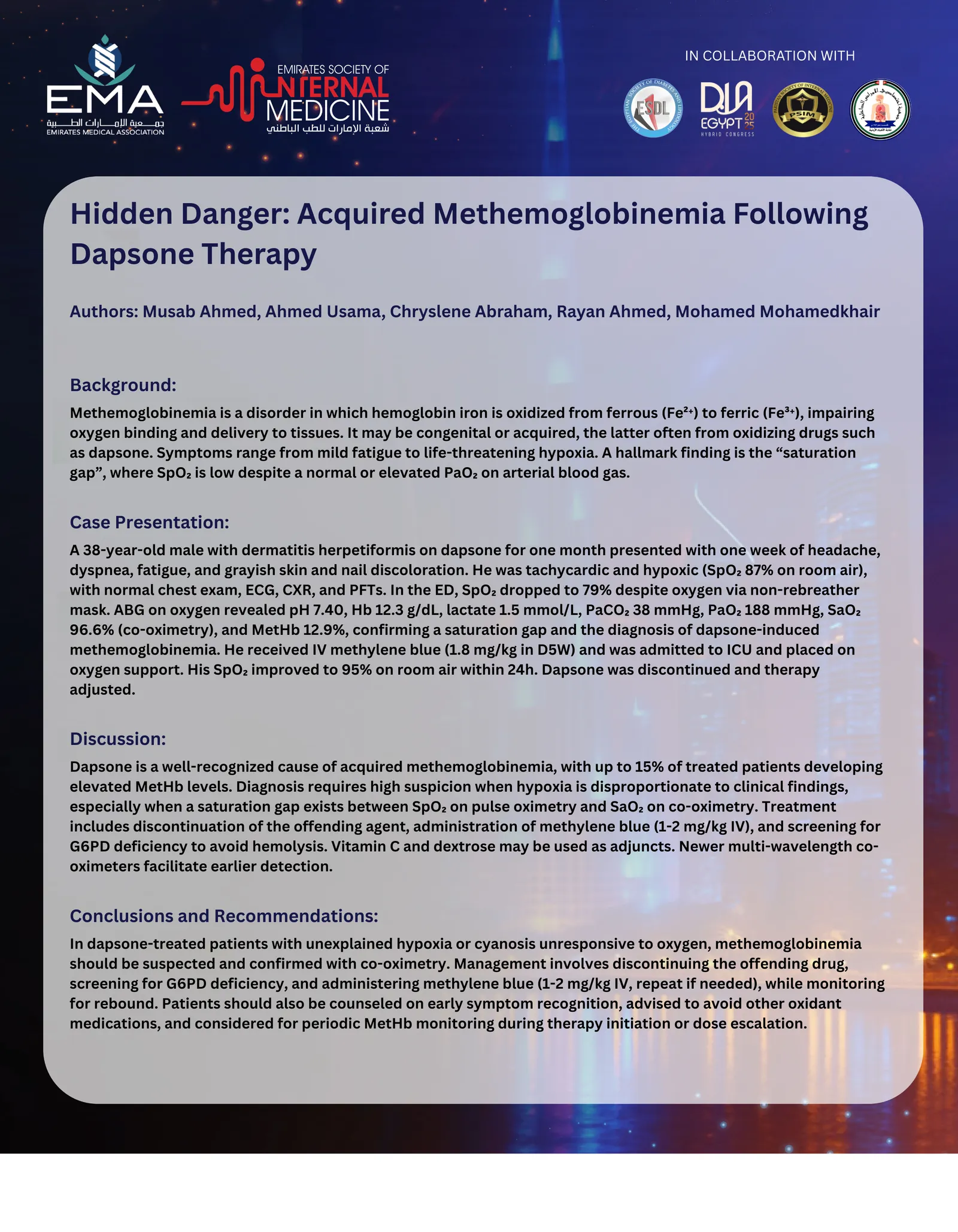 Internal MedicineHidden Danger: Acquired Methemoglobinemia Following Dapsone TherapyM. Ahmed, A. Usama, C. Abraham and 2 others