
Exploring Out of Pocket Health Expenses among Urban Poor Migrant Population in India and its Impact on access to Health Care
- 1 Magic Bus India Foundation
Received 27 October 2026 · Accepted 27 October 2026 · Published 27 October 2026
DOI: https://doi.org/10.5281/zenodo.23695363
Article PDF · Original poster (PDF)
- views
- 54
- downloads
- 22
- countries
- 11
Since publication · journal site and Zenodo archive · robots excluded
Abstract
Introduction
The cost of healthcare services people directly pay for is an out-of-pocket expense (OOP). High out-of-pocket medical expenses in India account for around 62.6% of overall health expenditure, one of the highest globally. Lack of access to public facilities and qualified primary healthcare in urban areas results in substantial out-patient care through the private sector. Migrant workers from poor households have fewer resources, limiting their ability to spend on health care. Primary healthcare utilization among migrant workers remains low due to high costs, conflicting work schedules, transportation issues, disconnection from government healthcare at destination, and language barriers. Free medicines, surgery, and diagnostic tests in public health centers may reduce high OOP expenses and medical poverty in India and among migrants.
Materials and methods
A cross-sectional survey was conducted among 11,000 individuals from 2,400 urban households in 4 geographically diverse states of India. Data collected included illness episodes, treatment-seeking behavior, out-of-pocket expenditure, and coping mechanisms. The prevalence of Catastrophic Health Expenditure (CHE) was computed, and logit models identified determinants of CHE for migrants and non-migrants.
Results
The average annual household healthcare OOP expenditure was INR 6,689 (US $97). Mean hospitalization expenditure was INR 27,025 ($392), with a 95% confidence interval from INR 22,734 ($329) to INR 31,815 ($461). Hospitalization was catastrophic for 10% of households, pushing 4.7% below the poverty line. Hospitalization rates were significantly lower among males compared to females (OR 0.75, p < 0.05). CHE was higher among males (10.8%), non-Hindus (14.8%), those over 55 years (12%), illiterates (12.1%), non-enrolled in health insurance schemes (10.4%), and poor tertiles (11.7%). Despite higher hospitalization rates among enrolled households, health insurance enrollment was inefficient in protecting from CHE.
Conclusion
The study highlights significant out-of-pocket expenses faced by migrant urban poor and substantial socio-economic inequalities within this population. Policy responses should target reducing OOP expenditures and enhancing healthcare access. Interventions must consider intersectionality, including gender, socio-economic status, caste, and cultural diversity, to address disparities in healthcare access and outcomes. Integrating intercultural perspectives can help policymakers develop inclusive strategies that resonate with the diverse needs of the urban poor migrant population.
Original poster
Related posters
 Public HealthEndocrine-Disrupting Chemicals in School Indoor Air and Childhood Health: Baseline evidence for climate-resilient and health-protective school environmentsG. Hatem, A. Faria, A. Salamova and 4 others
 Public HealthDetERminants and impact of diagnostic delay in people living with a RD in SpainJ. Benito-Lozano, G. Arias-Merino, B. Arconada-López and 3 others
 Public HealthAn Investigation of the Impact of La Soufrière Eruption on the Lives of VincentiansC. Mitchell, D. Balfour, L. Campbell-George and 2 others
 Public HealthPreparing for Tomorrow: Tools, Skills, and Sensors in Forecasting Climate Change's Health ConsequencesD. Lindegger
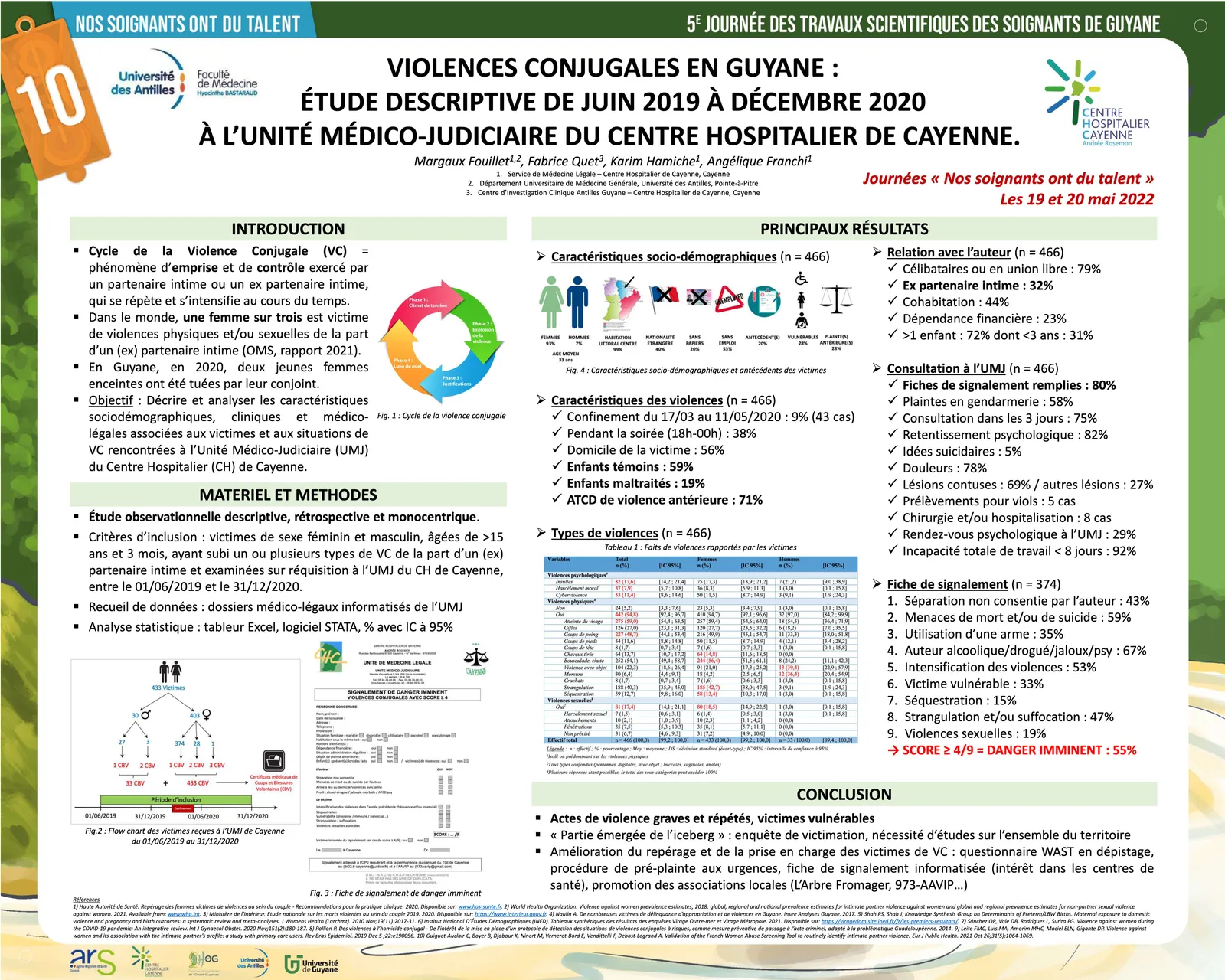 Public HealthIntimate Partner Violence in French Guiana: Descriptive Study from June 2019 to December 2020 at the Medico-Judicial Unit of Cayenne HospitalM. Fouillet, A. Franchi