
An Investigation of the Impact of La Soufrière Eruption on the Lives of Vincentians
Claudette Mitchell1✉ORCID, David Balfour2, Lydia Campbell-George3, Wanda Chesney4, Edward Clarke2
- 1 Department of Family and Consumer Sciences
- 2 Department of Behavioural Sciences
- 3 Department of Nurse Education, School of Science, Technology and Allied Health, University of the Southern Caribbean
- 4 Department of Literary, Cultural and Communication Studies, Faculty of Humanities and Education, The University of the West Indies
Received 15 October 2026 · Accepted 26 October 2026 · Published 26 October 2026
DOI: https://doi.org/10.5281/zenodo.23675667
- views
- 28
- downloads
- 9
- countries
- 6
Since publication · journal site and Zenodo archive · robots excluded
Abstract
Introduction
Enhancing quality of life is crucial for building sustainable communities through collaboration. Natural hazards like volcanic eruptions cause significant health, social, and economic impacts. This study explores the lived experiences of residents in Saint Vincent and the Grenadines following the La Soufrière volcano eruption.
Materials and methods
An interpretive phenomenological approach was used to capture residents' experiences in affected zones. Seventeen in-person focus group discussions with purposively selected participants were conducted. Data were analyzed using thematic analysis with NVivo software.
Results
Key themes included coping strategies during and after evacuation, motivations for returning despite risks, concerns about food insecurity, and psychosocial and physical deficiencies in shelter services. Respondents expressed faith, hope, and optimism but also concerns about service availability and food adequacy. Emotional toll, feelings of unpreparedness, and difficulty managing challenges were emphasized.
Conclusion
Participants' fears and struggles highlight the urgent need for collaborative efforts to develop comprehensive disaster management strategies prioritizing psychological well-being, food security, and adequate shelter. Findings offer critical insights for improving disaster preparedness and response policies.
Original poster
References
- World Health Organization (n.d.). Environmental health in emergencies. Retrieved October 20, 2024, from: bit.ly/WHO-enviro-emergencies
- Pan American Health Organization [PAHO], (2021). Volcano La Soufriere eruption in St. Vincent and the Grenadines. PAHO: bit.ly/PAHO-volcanic
Related posters
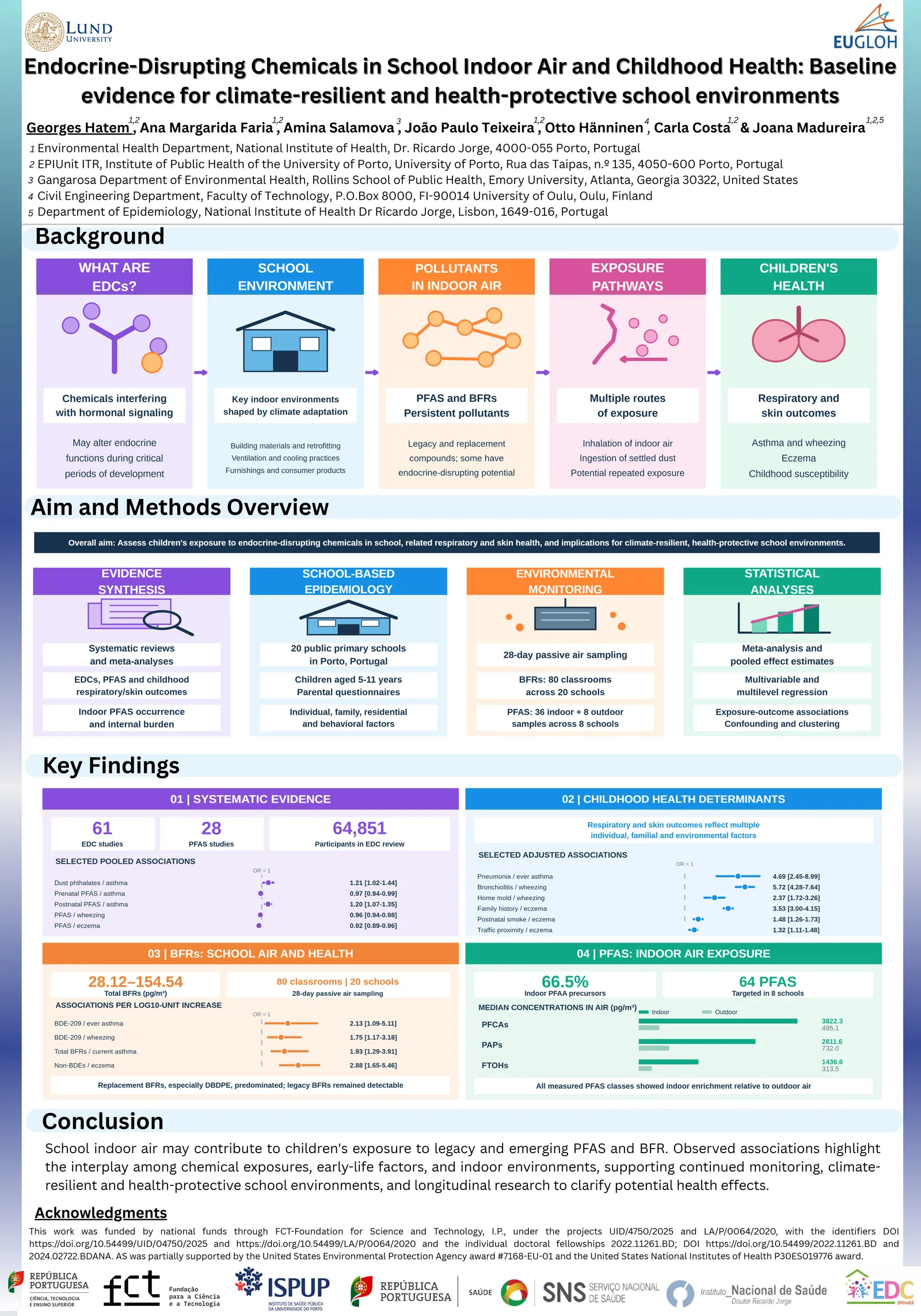 Public HealthEndocrine-Disrupting Chemicals in School Indoor Air and Childhood Health: Baseline evidence for climate-resilient and health-protective school environmentsG. Hatem, A. Faria, A. Salamova and 4 others
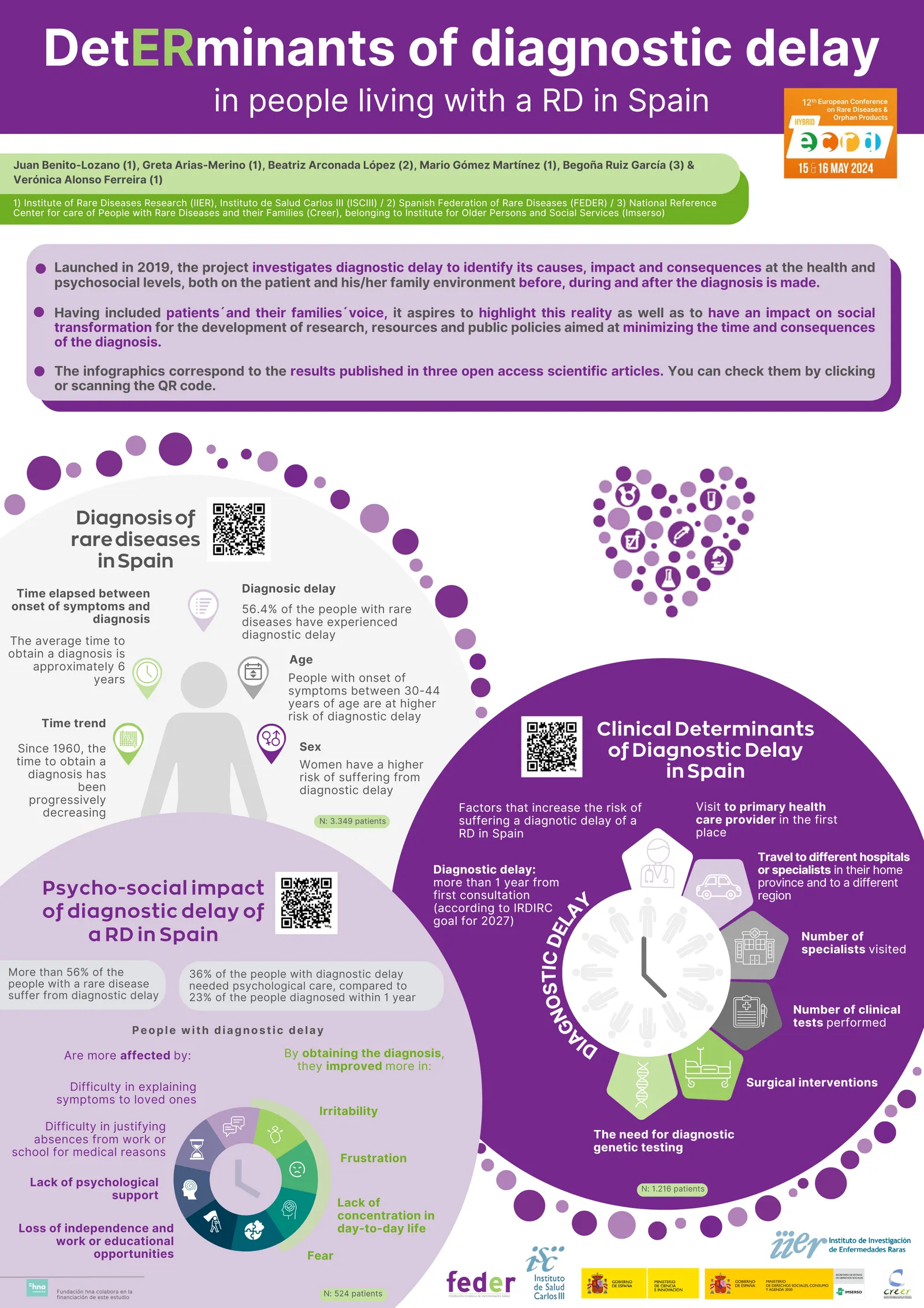 Public HealthDetERminants and impact of diagnostic delay in people living with a RD in SpainJ. Benito-Lozano, G. Arias-Merino, B. Arconada-López and 3 others
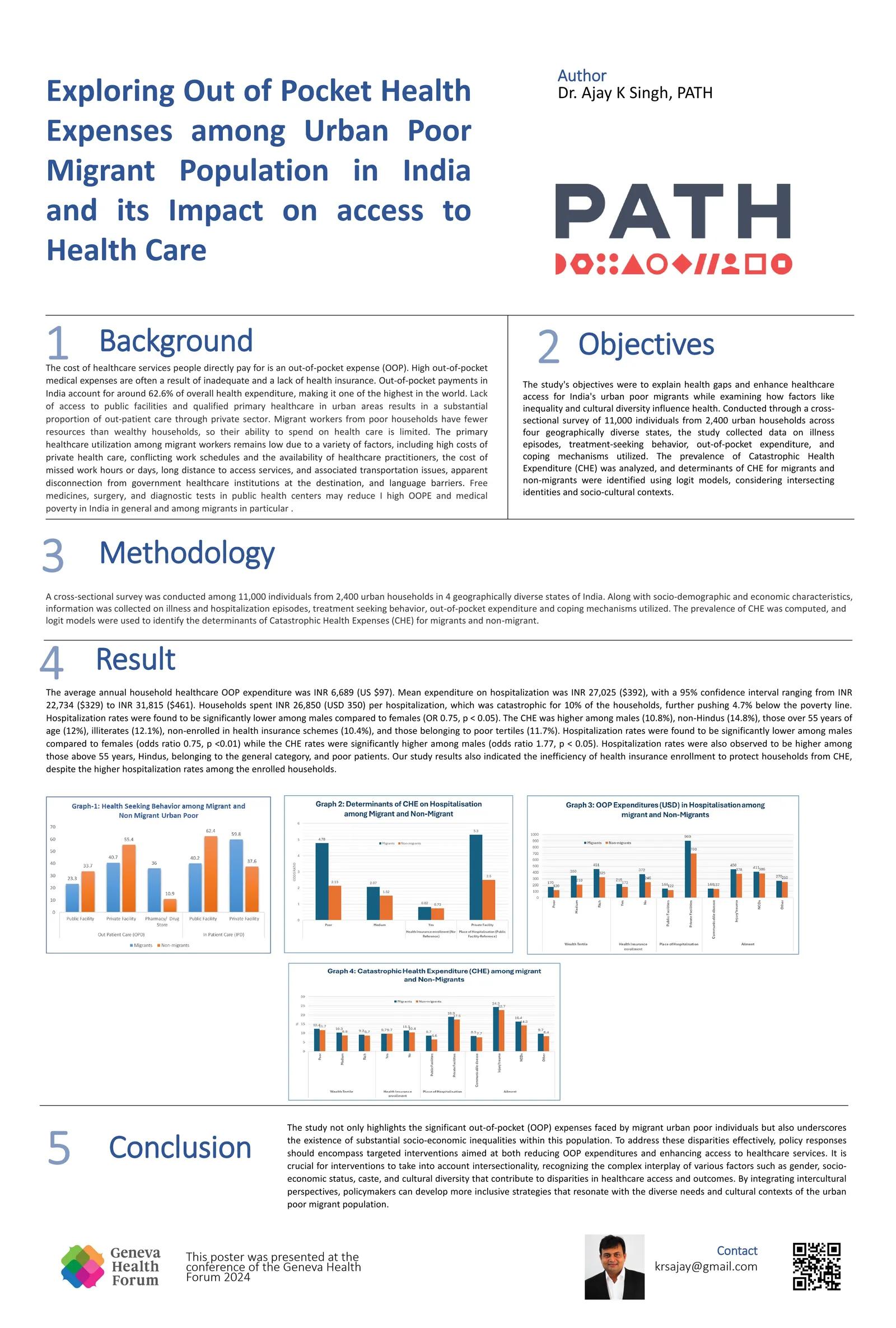 Public HealthExploring Out of Pocket Health Expenses among Urban Poor Migrant Population in India and its Impact on access to Health CareA. Singh
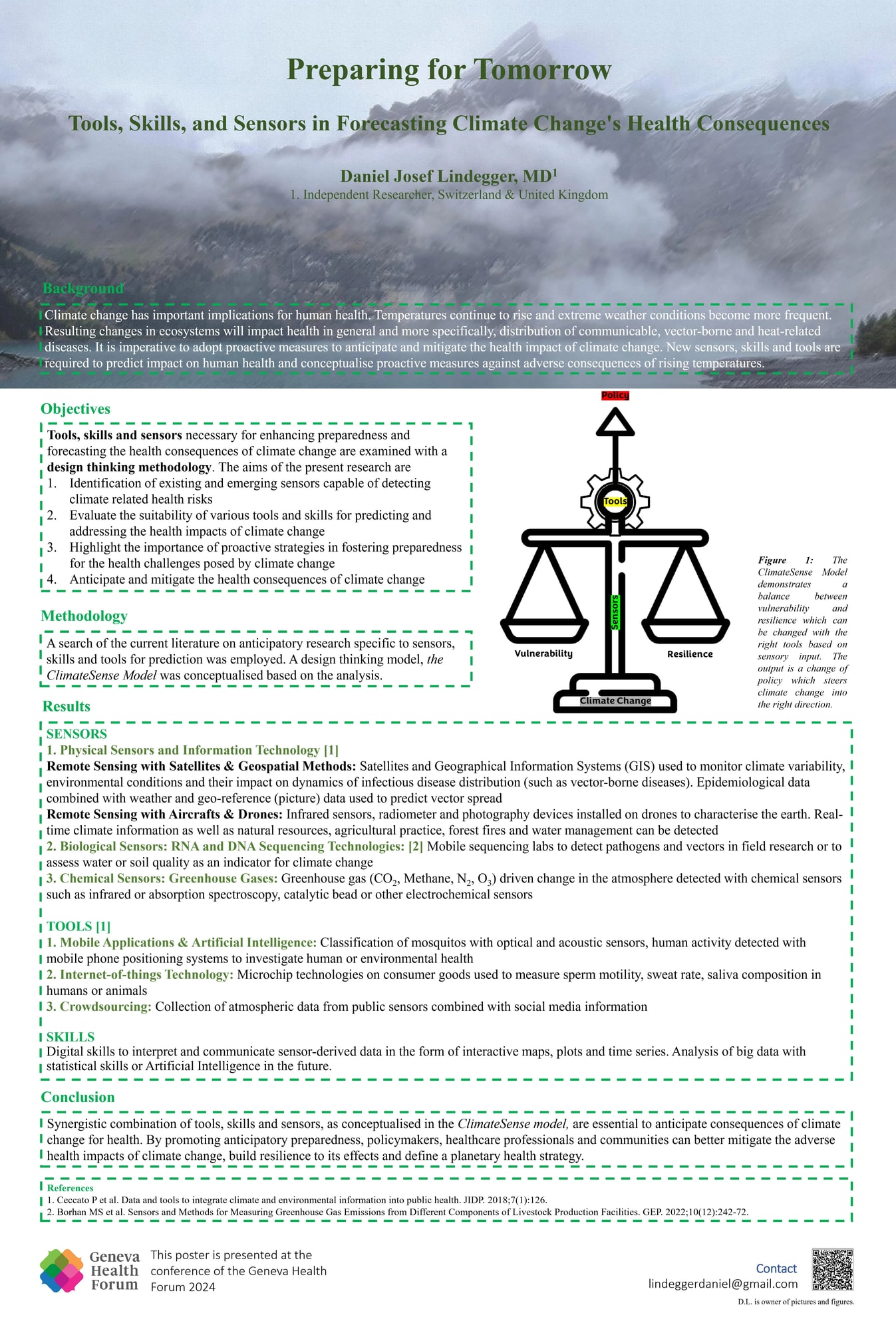 Public HealthPreparing for Tomorrow: Tools, Skills, and Sensors in Forecasting Climate Change's Health ConsequencesD. Lindegger
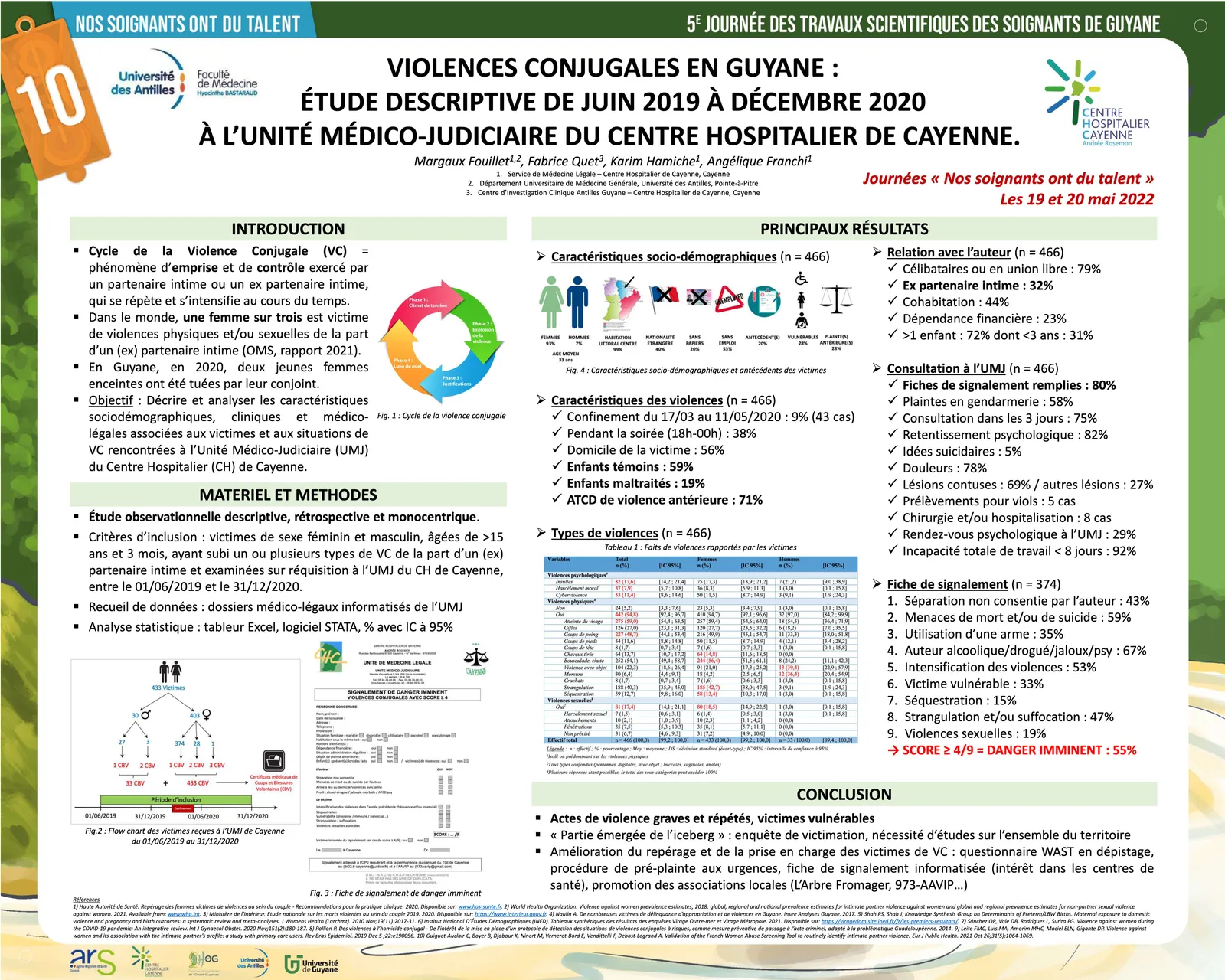 Public HealthIntimate Partner Violence in French Guiana: Descriptive Study from June 2019 to December 2020 at the Medico-Judicial Unit of Cayenne HospitalM. Fouillet, A. Franchi