
Development and validation of analytical method for microbiological quality control of ketoconazole cream 2%
Dijana Cvetkoska1✉, Damjan Shushleski1, Irena Slaveska Spirevska1, Marjan Velkovski1, Sonja Ljotovska1
- 1 Replek Farm, Skopje, Str. Kozle 188 Skopje, Republic of North Macedonia
Received 29 October 2026 · Accepted 29 October 2026 · Published 29 October 2026
DOI: https://doi.org/10.5281/zenodo.23772421
Article PDF · Original poster (PDF)
- views
- 11
- downloads
- 8
- countries
- 4
Since publication · journal site and Zenodo archive · robots excluded
Abstract
Introduction
Ketoconazole is a well-established antifungal active substance widely used in topical formulations, particularly 2% creams and shampoos. As a lipophilic imidazole derivative with weak basic properties, it may present challenges during microbiological examination due to its intrinsic antimicrobial activity.
Materials and methods
The validated method involved preparing a primary suspension of 10 g cream in 90 mL PDN (1:10 dilution). PDN neutralizers included 3% Polysorbate 80, 0.3% Lecithin, 0.1% Histidine, and pH 7.0 diluent. Challenge inoculum ranged from 10 to 100 CFU/mL with duplicate tests across 3 batches. Ph. Eur. endpoints for TAMC/TYMC (2.6.12 quantitative) and specified microorganisms S. aureus and P. aeruginosa (2.6.13) were used. Experimental design included inoculation with P. aeruginosa, B. subtilis, S. aureus, C. albicans, and A. brasiliensis, with recovery compared to controls. Quantitative counts were performed on TSA and SDA media, and specified organisms on TSB followed by MSA or Cetrimide.
Results
Culture media and test conditions supported expected growth without product-matrix interference. PDN effectively neutralized the antimicrobial activity of ketoconazole cream at the 1:10 dilution. Repeated testing met predefined precision criteria. Accuracy met acceptance criteria with recovery between 50-200% and recovery factor ≤2. Precision was confirmed with repeatability RSD <15%. Specified organisms showed positive recovery.
Conclusion
The validated method showed no product matrix interference, and the antimicrobial activity of ketoconazole 2% cream was effectively neutralized. All challenge tests successfully recovered Staphylococcus aureus and Pseudomonas aeruginosa, confirming method suitability. The method complies with Ph. Eur. requirements and is suitable for routine microbiological quality control of the product.
Original poster
References
- European Pharmacopoeia 12.0 (2025); Beggs WH (1991);
- Choi FD et al. (2019).
Related posters
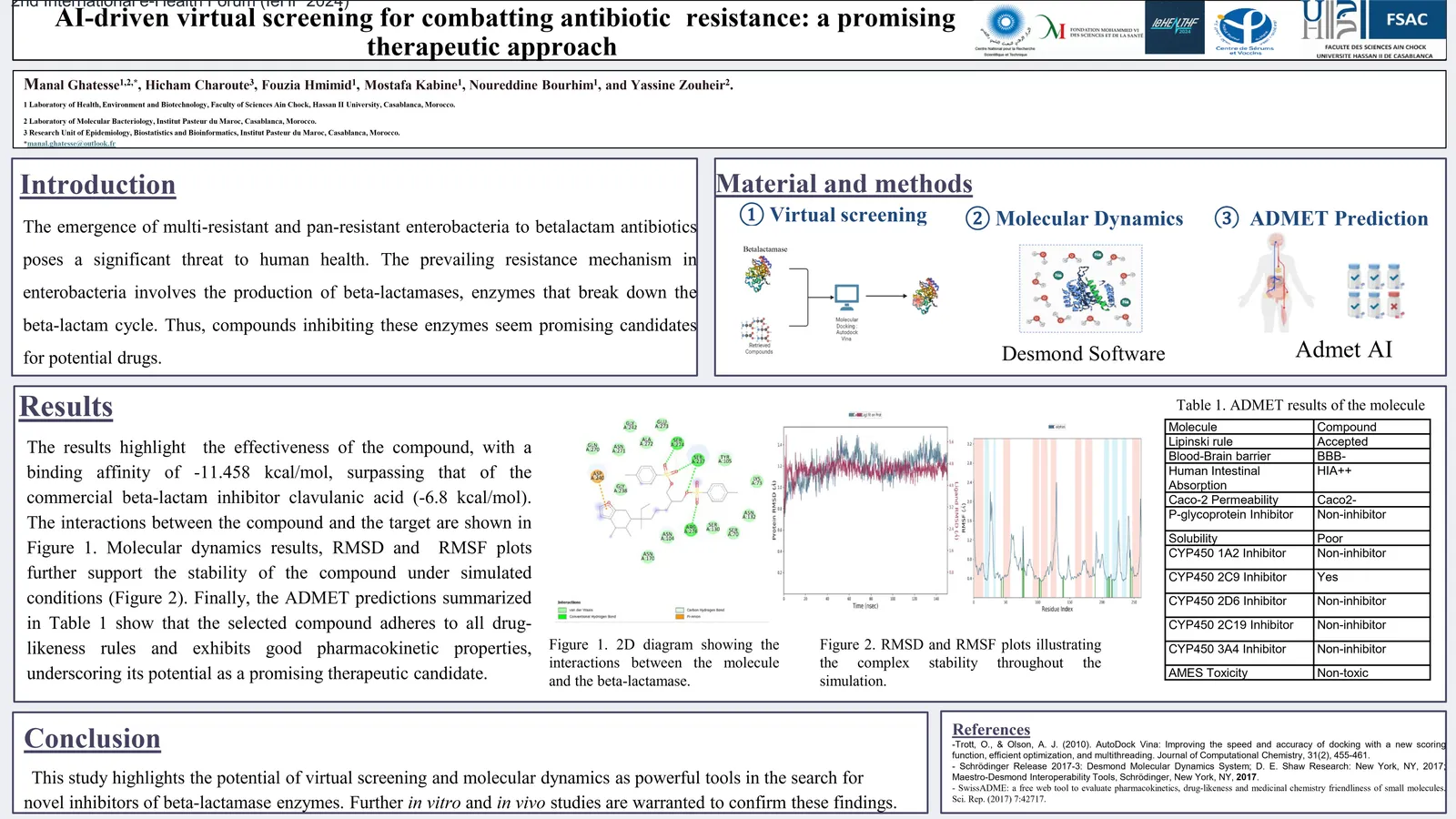 MicrobiologyAI-driven virtual screening for combatting antibiotic resistance: a promising therapeutic approachM. Ghatesse, H. Charoute, F. Hmimid and 3 others
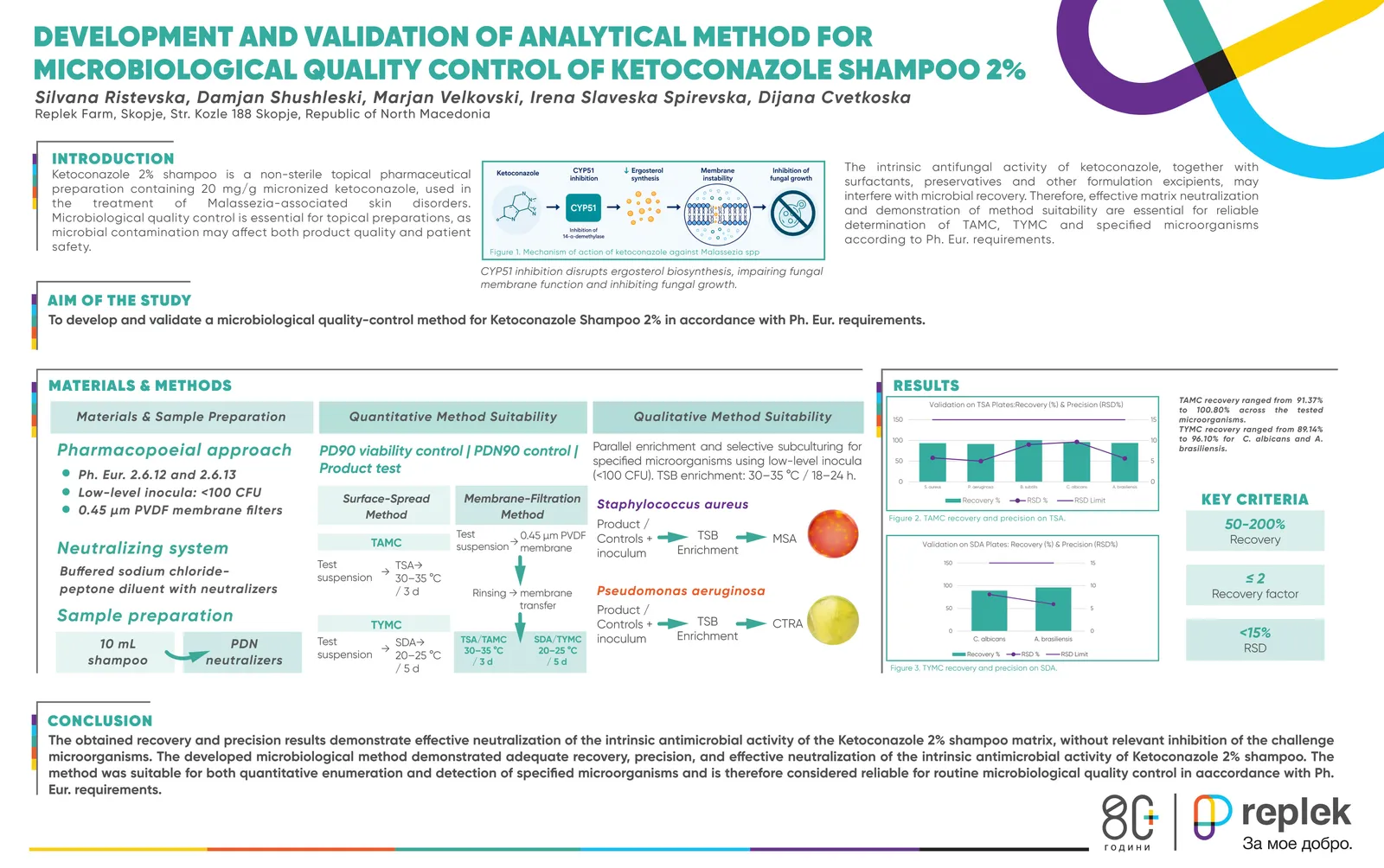 MicrobiologyDevelopment and validation of analytical method for microbiological quality control of ketoconazole shampoo 2%S. Ristevska, D. Shushleski, M. Velkovski and 2 others
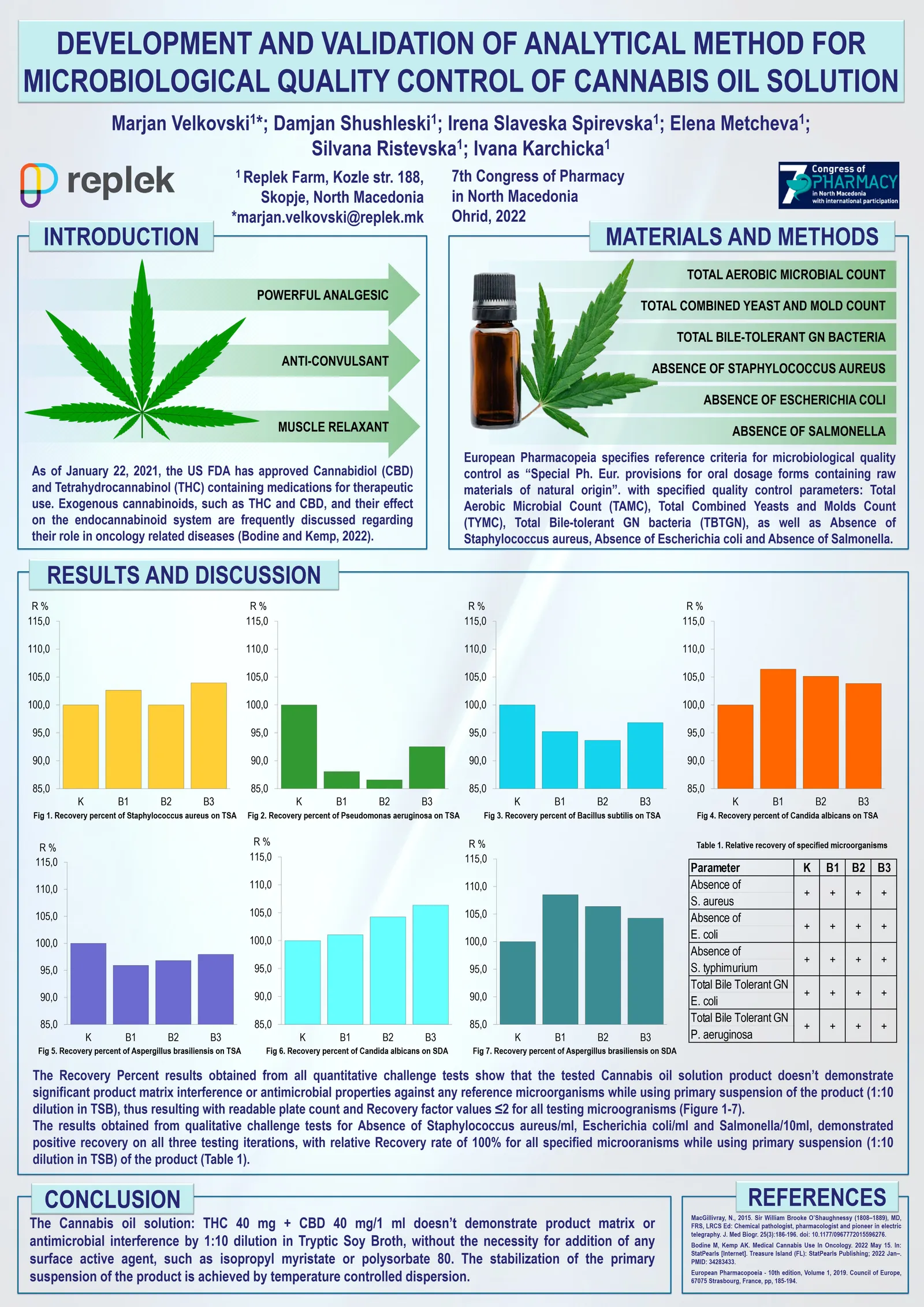 MicrobiologyDevelopment and validation of analytical method for microbiological quality control of cannabis oil solutionM. Velkovski, D. Shushleski, I. Slaveska Spirevska and 3 others
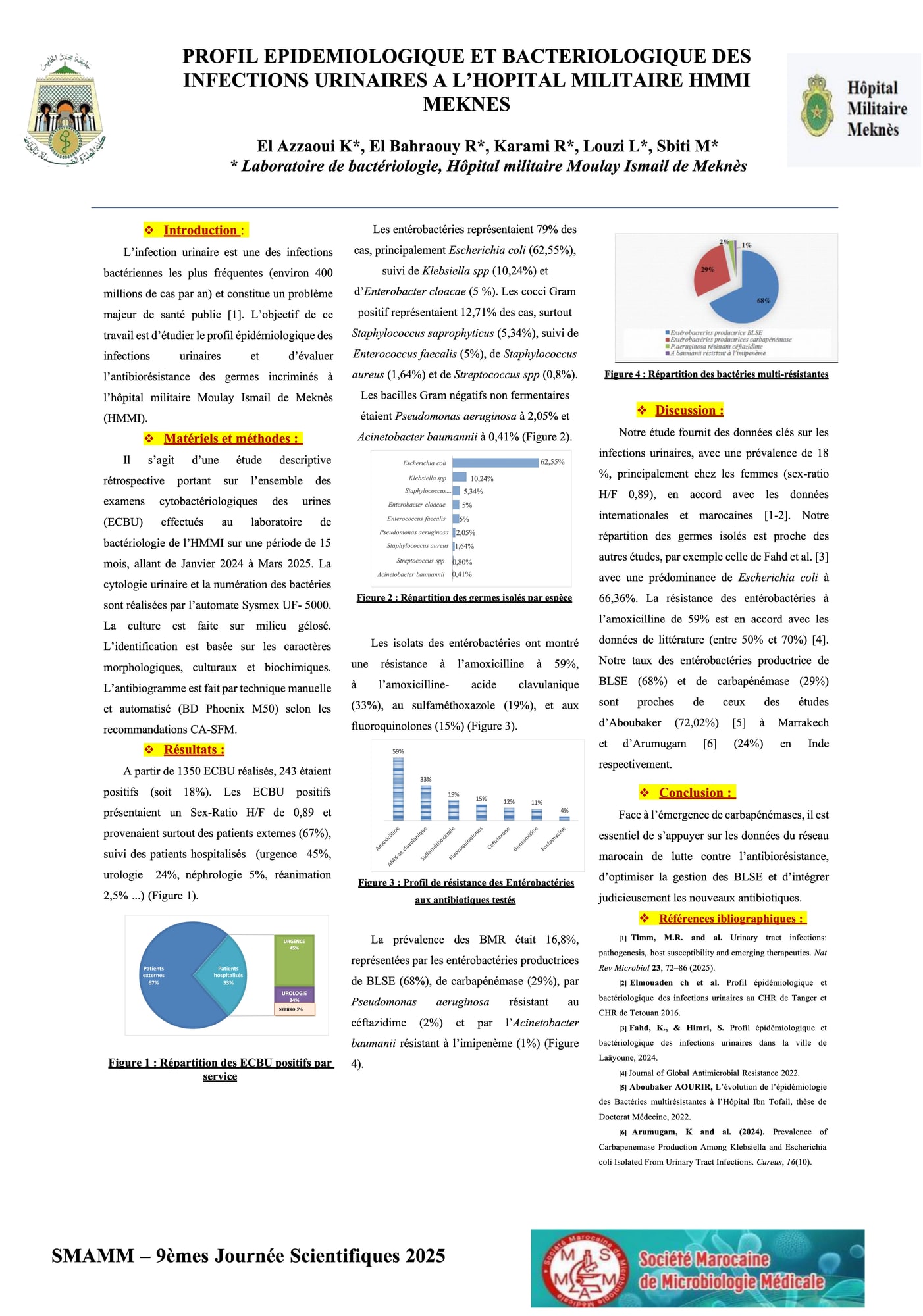 MicrobiologyEpidemiological and bacteriological profile of urinary tract infections at the Military Hospital HMMI MeknesK. El Azzaoui, R. El Bahraouy, R. Karami and 2 others
 MicrobiologyOtomycosis diagnosed at the Mohammed V Military Teaching Hospital in RabatH. Goura, M. Laarabi, N. Errami and 3 others