
Advancing Health Equity by leveraging Human-Centered design (HCD) for Urban Primary Healthcare in Jharkhand, India
- 1 PATH
Received 22 November 2026 · Accepted 22 November 2026 · Published 22 November 2026
DOI: https://doi.org/10.5281/zenodo.24441815
Article PDF · Original poster (PDF)
- views
- 7
- downloads
- 6
- countries
- 5
Since publication · journal site and Zenodo archive · robots excluded
Abstract
Introduction
The Government of India is establishing urban health and wellness centers (UHWCs) under the Ayushman Bharat Comprehensive Primary Healthcare (CPHC) program that caters to populations of 15,000 to 20,000 and offers CPHC services. Despite the remarkable progress under this endeavor, the utilization of these health facilities is dismal and linked to significant challenges related to community mobilization in urban areas.
Materials and methods
A 2-phase intervention adopting a living lab approach was used to define user needs and co-create sustainable, scalable solutions. Phase I utilized a Human-centered Design approach to decode high-level demand-side barriers for care-seeking at UHWCs. Phase II developed a comprehensive social mobilization package to increase service utilization at urban HWCs. The methodology included stakeholder immersion, qualitative primary research, behavioral problem reframes, prioritization of problem research, intervention design, prototyping with community and providers, and refinement of intervention and development of design brief.
Results
Phase I identified key decision-making levers such as perception, trust, and emotions influencing health-seeking pathways and user segmentation by income and utilization of care. Insights revealed that public hospitals are undervalued despite trust in government doctors, free services are perceived as low-quality and cheap, users prefer predictable health touchpoints, and experiences include overcrowding and long waits. Phase II intervention design focused on innovative branding, nurturing healthcare team relationships, building social currency through localized communication, and transparent communication about services. Key intervention touchpoints included improving trust and approachability, signage for facility identification, information board hoardings for predictability, reframing healthcare workers' roles, and promoting positive service experiences.
Conclusion
Human-centered design offered a structured approach to understanding demand-side barriers and translating user insights into community-responsive intervention designs for urban primary healthcare. The poster presents formative findings and intervention design; it does not report measured changes in healthcare utilization or health equity. Further implementation and evaluation would be required to assess such effects.
Original poster
Related posters
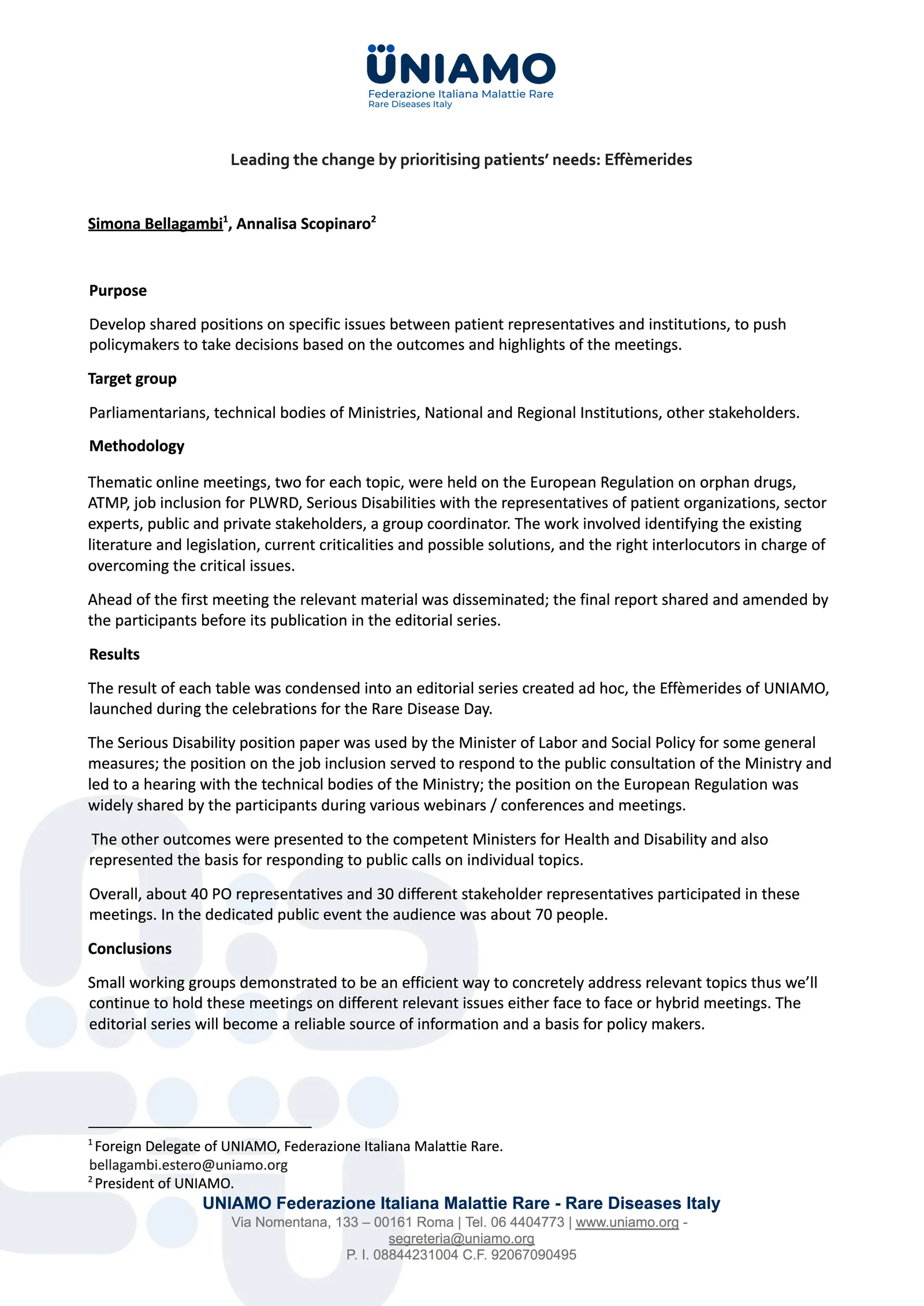 Public HealthLeading the change by prioritising patients' needs: EffèmeridesS. Bellagambi, A. Scopinaro
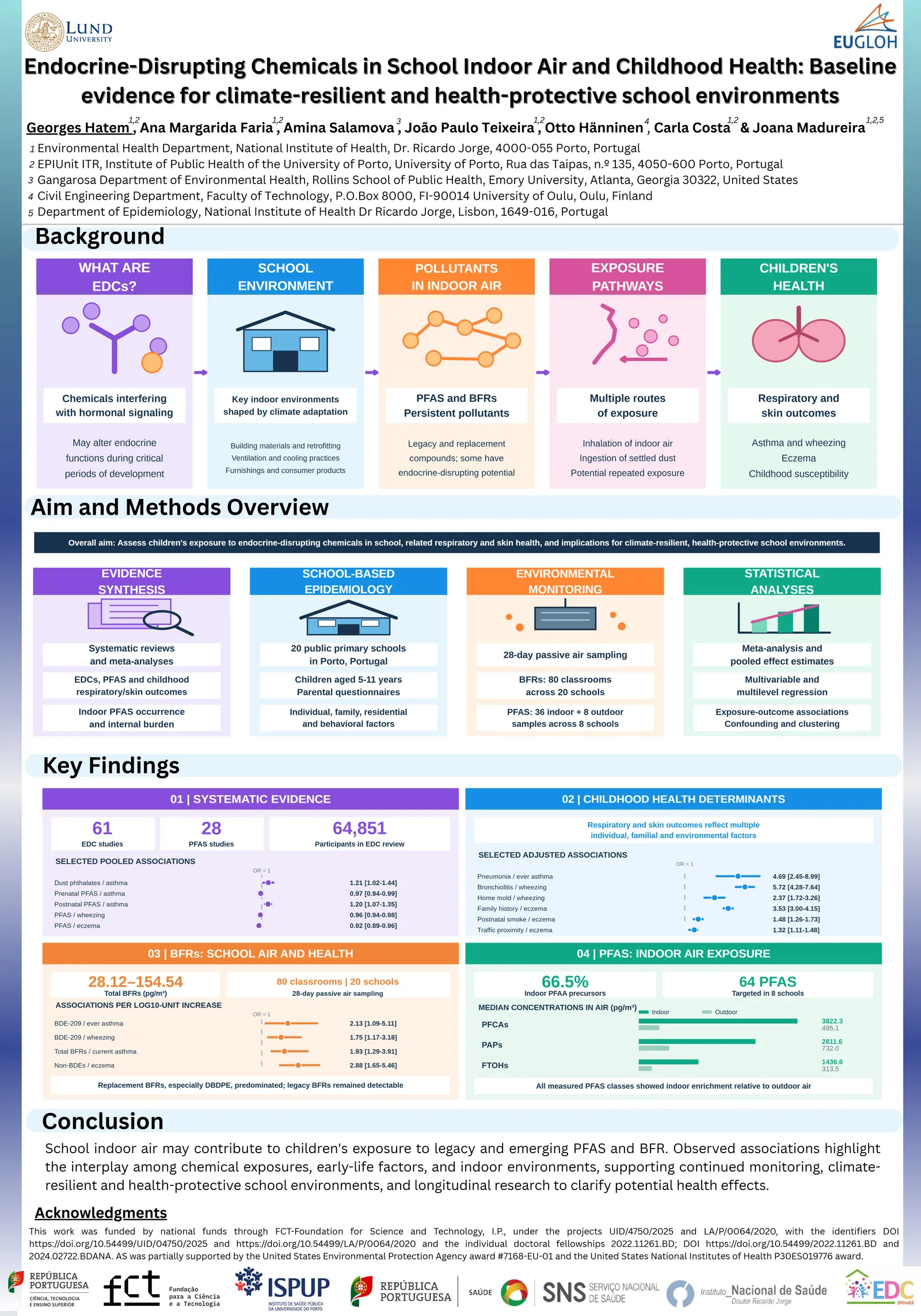 Public HealthEndocrine-Disrupting Chemicals in School Indoor Air and Childhood Health: Baseline evidence for climate-resilient and health-protective school environmentsG. Hatem, A. Faria, A. Salamova and 4 others
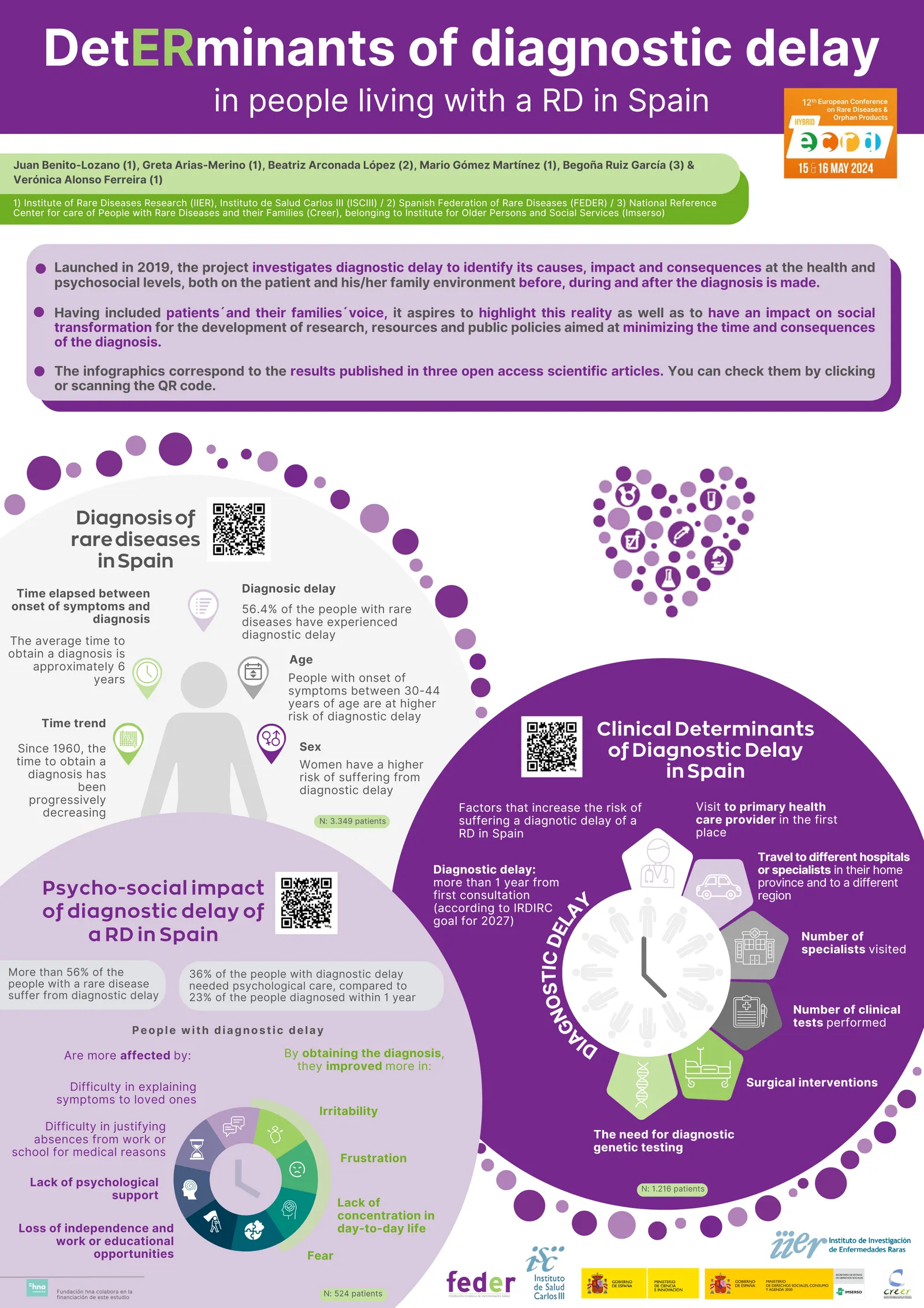 Public HealthDetERminants and impact of diagnostic delay in people living with a RD in SpainJ. Benito-Lozano, G. Arias-Merino, B. Arconada-López and 3 others
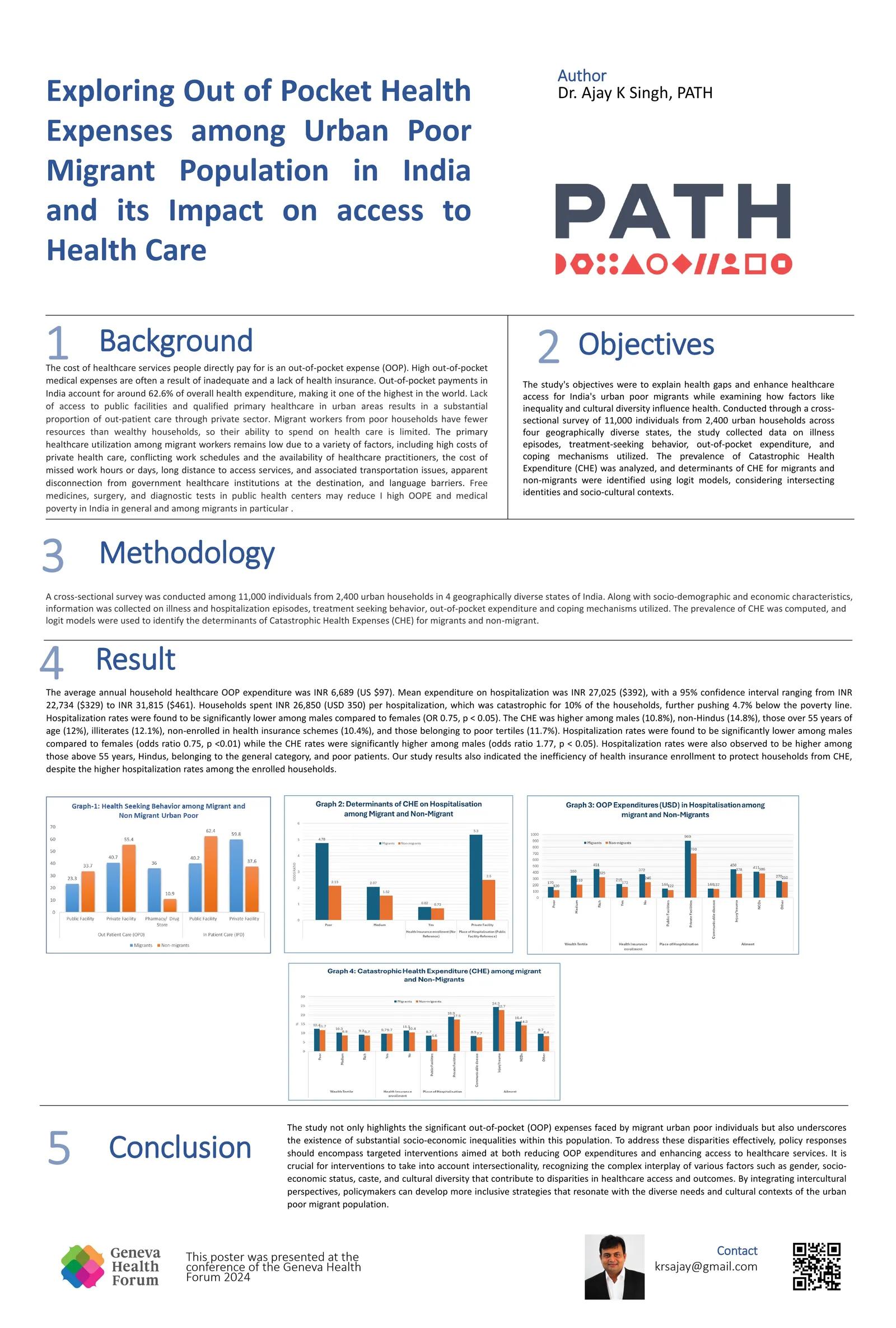 Public HealthExploring Out of Pocket Health Expenses among Urban Poor Migrant Population in India and its Impact on access to Health CareA. Singh
 Public HealthAn Investigation of the Impact of La Soufrière Eruption on the Lives of VincentiansC. Mitchell, D. Balfour, L. Campbell-George and 2 others
 Public HealthPreparing for Tomorrow: Tools, Skills, and Sensors in Forecasting Climate Change's Health ConsequencesD. Lindegger